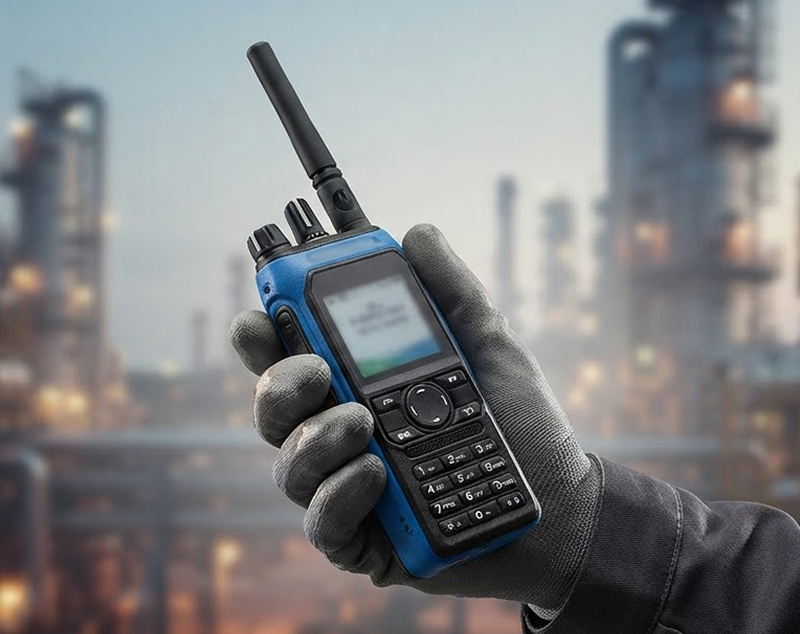
Choosing a two-way radio for a hazardous work site is different from choosing one for a warehouse or retail floor. In environments where flammable gases, vapors, or combustible dust may be present, using a radio that is not properly rated can create a serious safety risk. That is where ATEX radios come in.
If you are responsible for procurement, HSE, or operations at a facility in the UAE’s oil and gas, petrochemical, marine, mining, chemical, or manufacturing sectors, choosing the right ATEX radio requires more than comparing brands and prices. Here are the key factors to consider.
Before comparing brands or features, determine which hazardous zone your site falls under. ATEX certification covers different equipment categories and protection levels based on the likelihood and duration of an explosive atmosphere.
Zone 1 / Zone 21: Areas where an explosive atmosphere is likely to occur during normal operation. These can include certain oil and gas, petrochemical, and industrial processing areas.
Zone 2 / Zone 22: Areas where an explosive atmosphere is unlikely during normal operation and, if it occurs, is generally present for a short period. These may include peripheral or lower-risk areas of an industrial facility.
A radio suitable for Zone 2 may not be appropriate for Zone 1. Always confirm the hazardous zone classification for your work area with your HSE or safety team before selecting equipment.
ATEX and IECEx are two important certification frameworks you may encounter when evaluating radios for hazardous environments.
ATEX is the European regulatory framework covering equipment and protective systems intended for use in potentially explosive atmospheres. IECEx is an international certification system based on IEC standards for equipment used in explosive atmospheres.
For UAE operations, particularly companies working with international clients or multinational safety standards, equipment carrying appropriate ATEX and IECEx certifications can provide useful compliance coverage. Always verify that the specific radio model and configuration meet the requirements of your intended application.
Different industries place different demands on communication equipment. Intrinsic safety is essential, but it is not the only factor to consider.
Oil and Gas and Petrochemical
Look for radios with suitable IP protection, reliable battery performance for extended shifts, and clear audio for high-noise environments. Emergency functions such as Man Down alerts can also be valuable where workers operate in higher-risk areas.
Marine and Offshore
Salt air, moisture, vibration, and impact can place significant stress on communication equipment. Radios used in marine and offshore environments should provide suitable water and dust protection, corrosion resistance, and rugged construction in addition to the required hazardous-area certification.
Mining
Mining environments can present challenging communication conditions, particularly in underground operations. Consider radios that support suitable repeater systems and provide reliable performance in difficult RF environments. Rugged construction is also important where equipment may be exposed to drops, dust, and impact.
Chemical and Manufacturing
Chemical plants and manufacturing facilities may have areas where flammable gases, vapors, or combustible dust are present. Make sure the radio’s certification and protection rating are appropriate for the specific hazardous environment rather than assuming that one ATEX rating will suit every area.
Intrinsic safety certification helps ensure that the radio is designed to minimize the risk of ignition, but additional communication and emergency features can also improve worker safety.
Man Down alerts: Can automatically send an alert if a worker falls or remains in an unusual position for a defined period.
Lone worker protection: Supports additional safety checks for employees working alone or in isolated locations.
Emergency SOS button: Allows a worker to quickly send an emergency alert to a supervisor or control room.
GPS tracking: Can help teams identify a worker’s location when positioning data is available and appropriate for the operating environment.
Rugged and anti-static construction: Helps the radio withstand demanding industrial conditions while minimizing potential ignition risks when the equipment is correctly certified for the intended environment.
Not every facility will require all these features. The right combination depends on your site’s hazards, workforce, communication procedures, and emergency response plan.
Long shifts and remote work areas can make battery performance an important consideration. Choose a battery with sufficient runtime for the expected operating period and verify that the battery itself is approved for use with the selected radio.
Charging equipment also deserves attention. Use manufacturer-approved charging accessories and follow the equipment’s certification and operating instructions. Standard accessories should not automatically be assumed to be suitable for hazardous-area applications.
Several established manufacturers offer radios designed for hazardous environments. Depending on your requirements, you may come across brands such as:
Hytera: Offers rugged professional radios and models designed for hazardous environments.
Motorola Solutions: Provides MOTOTRBO communication solutions with options for industrial applications and hazardous areas.
Kirisun: Offers intrinsically safe communication equipment for demanding industrial environments.
Caltta: Provides professional communication solutions for industrial and utility applications.
BelFone: Offers professional two-way radios designed for demanding field environments.
TP Radio: Provides communication equipment designed for hazardous and industrial applications, including ATEX environments.
The best option depends on your required certification, operating zone, coverage requirements, existing radio infrastructure, features, and budget. Comparing these factors is more important than choosing a brand based on reputation alone.
Selecting an ATEX radio is not simply a purchasing decision. It is also part of your site’s communication and safety planning.
A knowledgeable supplier can help you identify equipment that matches your hazardous zone, operating conditions, required certification, coverage needs, and workforce requirements. They can also help ensure that radios, batteries, chargers, and other accessories are compatible with the selected equipment.
For UAE businesses operating in hazardous environments, working with an experienced supplier can make the selection process more straightforward and reduce the risk of choosing equipment that does not meet the requirements of your application.
The right ATEX radio should match your work environment, hazardous zone, certification requirements, communication needs, and operating conditions. Start by understanding your site’s zone classification, then evaluate certification, durability, battery performance, safety features, coverage, and supplier support.
At Bharti Technologies, we supply ATEX and IECEx certified two-way radios from leading brands including Hytera, Motorola, Kirisun, Caltta, BelFone, and TP Radio for hazardous industrial environments across the UAE. Contact our team to find an ATEX radio that matches your site’s specific requirements.


Maintaining a safe and productive workplace is a priority for every...
In industries where a single spark can be catastrophic, the tools...
In today’s fast-paced business environment, keeping accurate...
In industries where safety is critical, communication devices must...
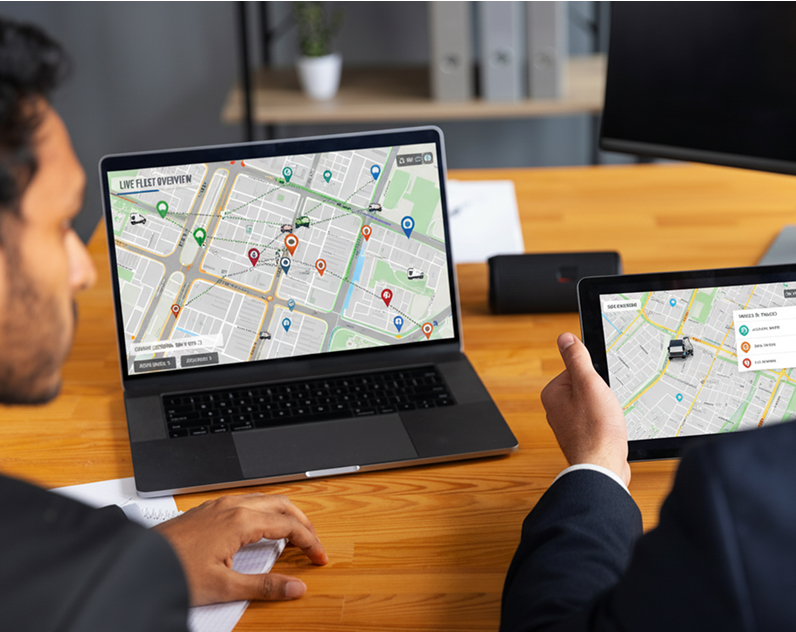
Managing a fleet without real-time visibility is like driving...

Door security is no longer limited to traditional keys and metal...
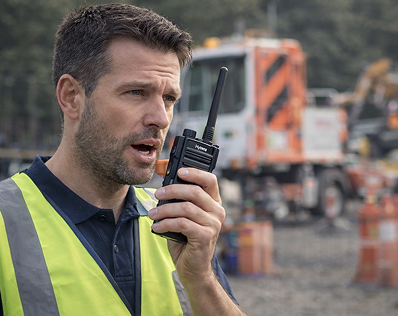
In an era dominated by smartphones and high-speed mobile data, it is...
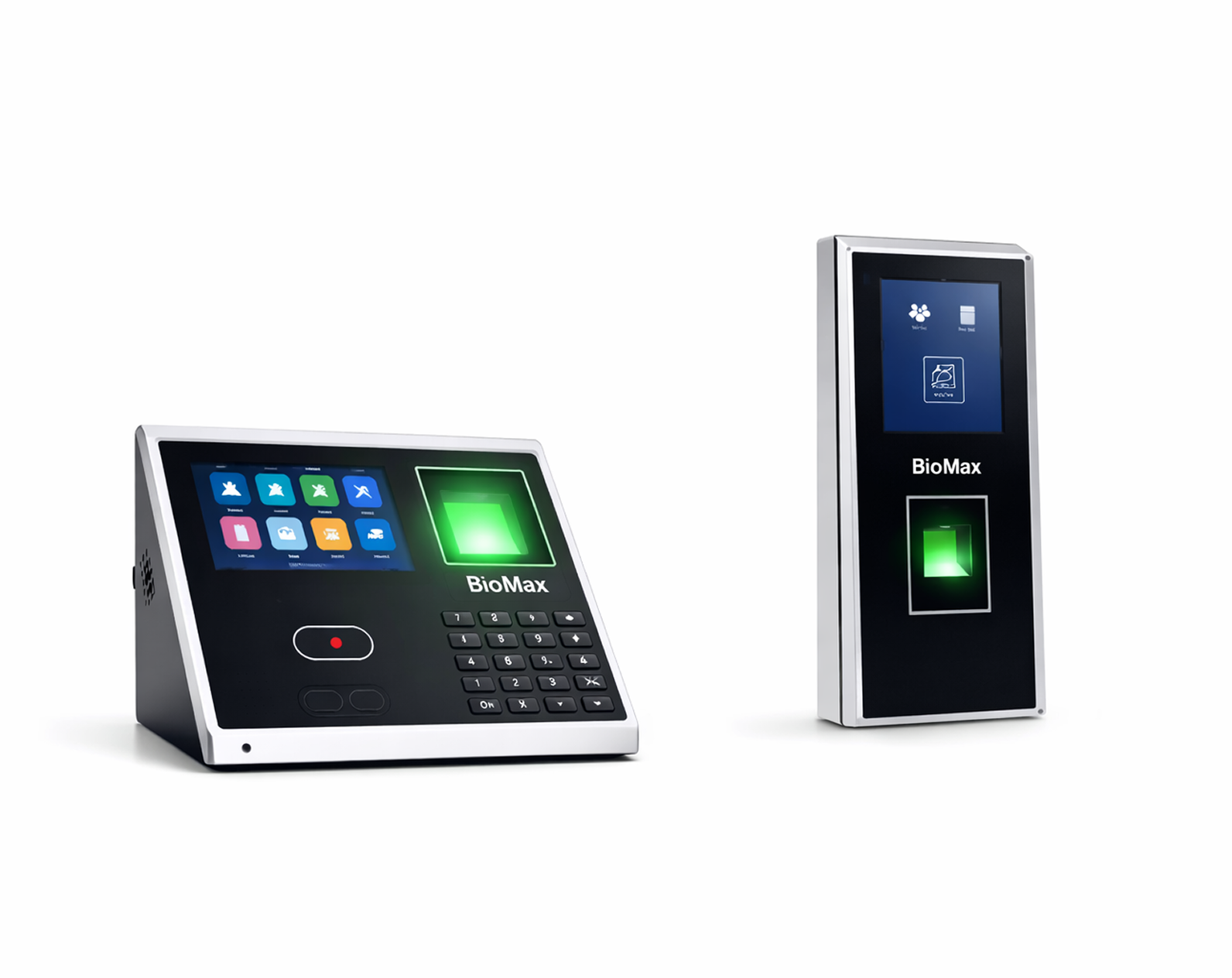
Managing employee attendance accurately is one of the biggest...
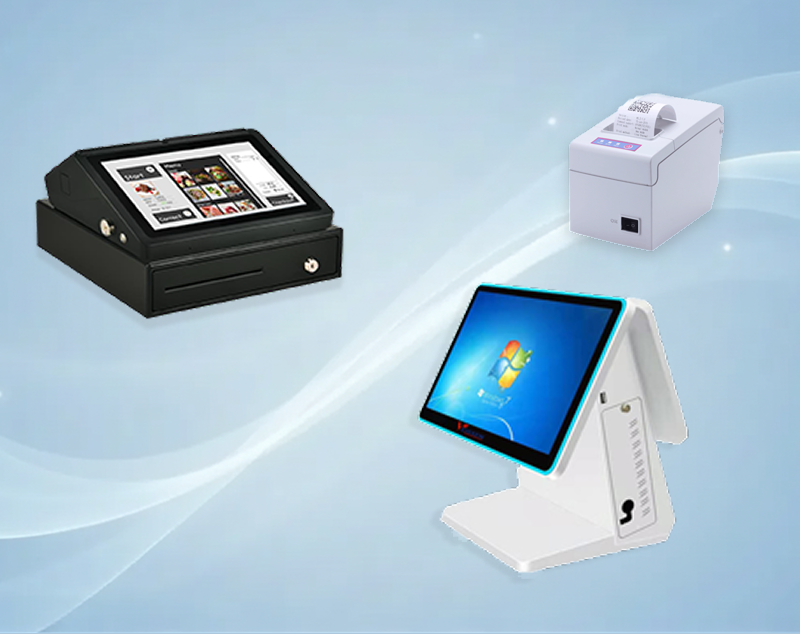
A POS (Point of Sale) machine is more than a simple billing device....
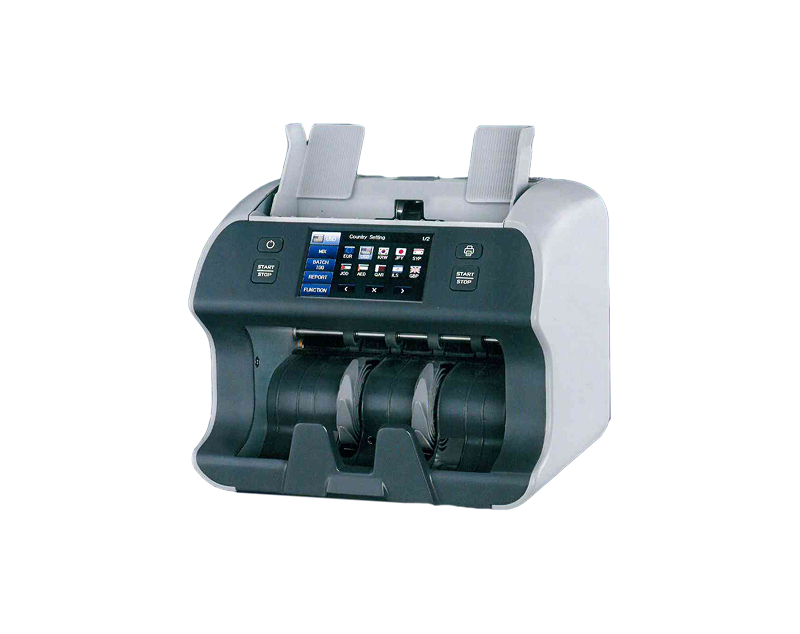
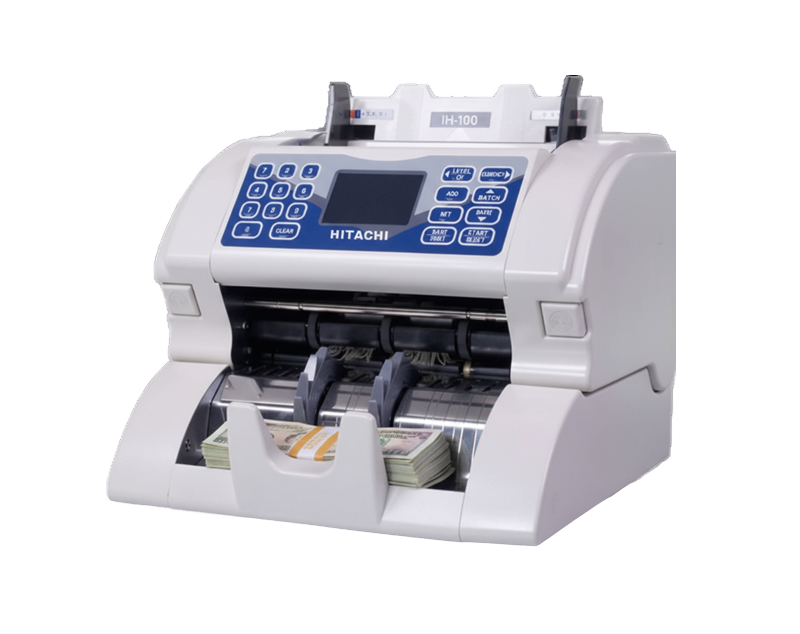
The Hitachi IH100 is an advanced, intelligent single-pocket currency...
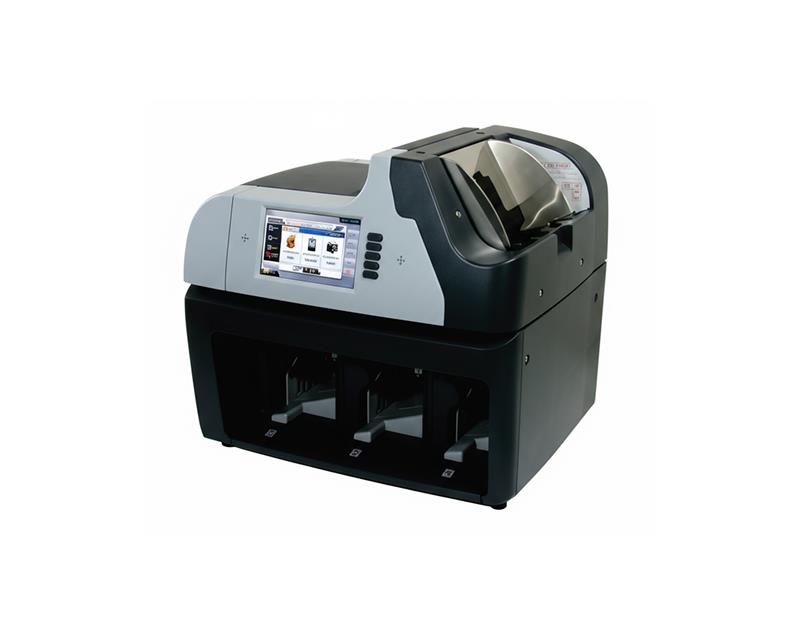
Hitachi ST-300 is a smart, practical multi-currency fitness sorter...
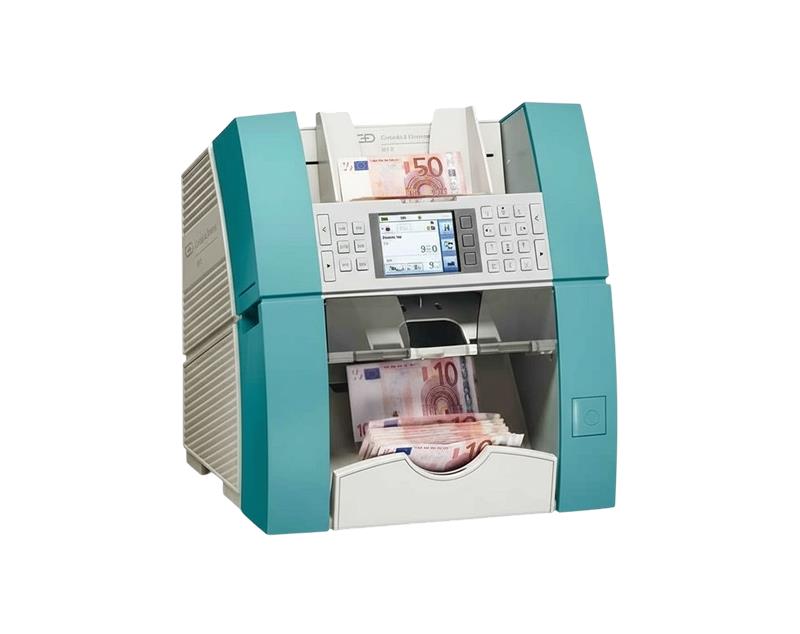
Flexible, powerful, and robust: the BPS C1 offers everything a bank...
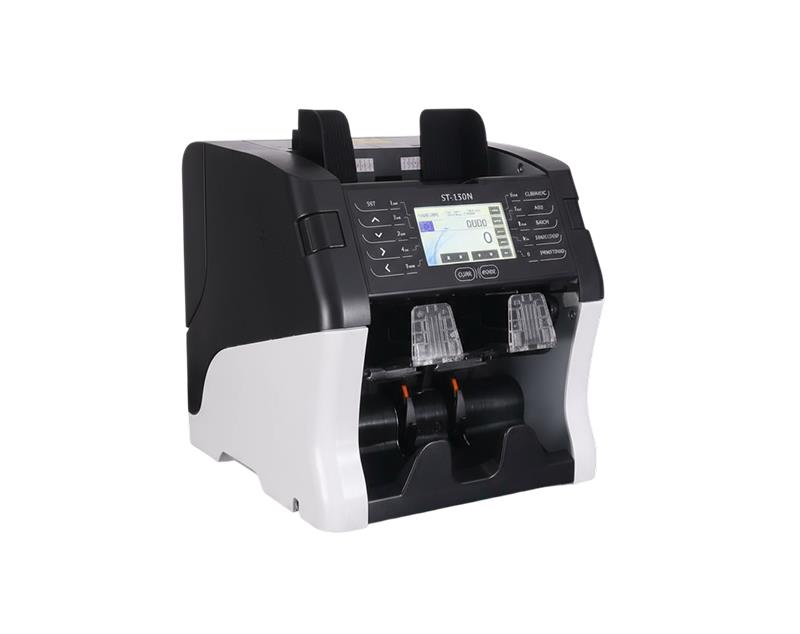
Currency Fitness Sorter, Authenticator with 2-pocket New Paradigm of...
In today’s fast-moving world, customers expect convenience, speed,...
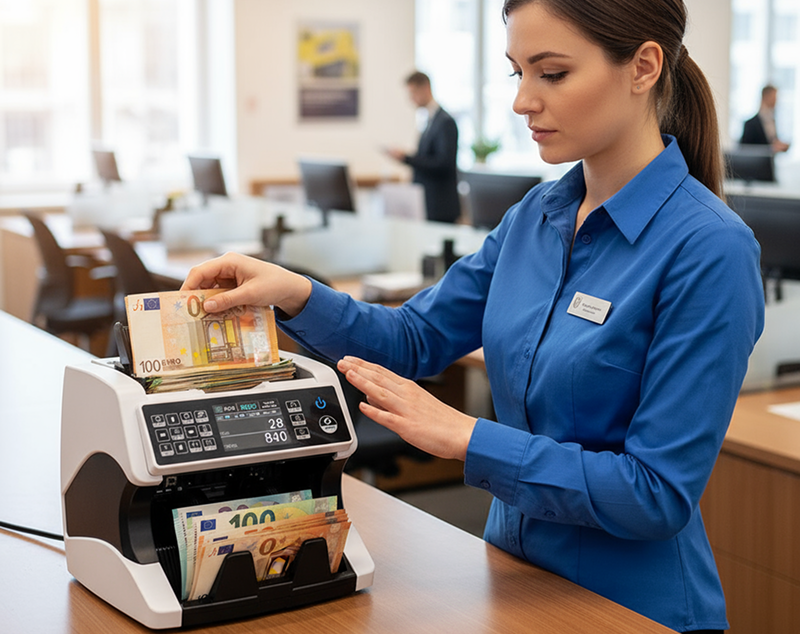
In today’s fast-paced business world, handling cash accurately and...
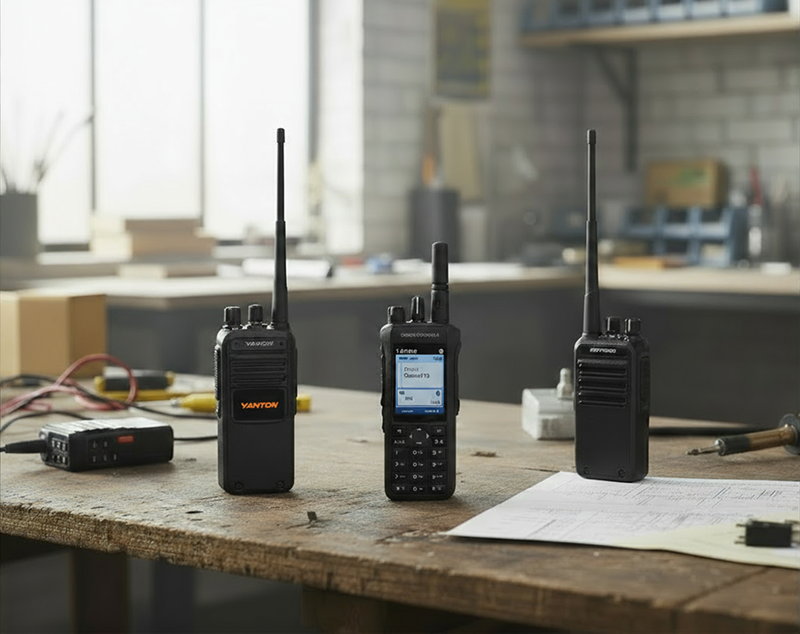
Clear and reliable communication is the backbone of any successful...
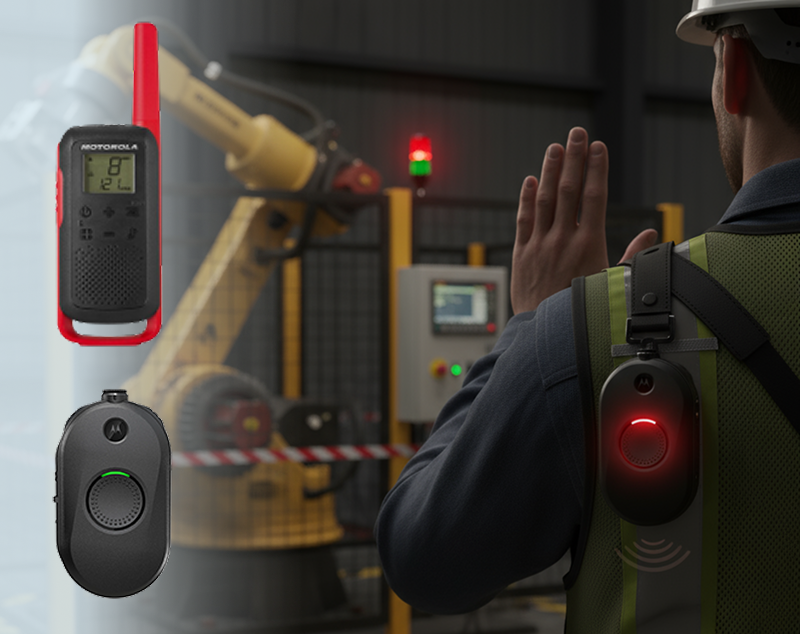
In high-risk industries such as construction, oil & gas, mining,...
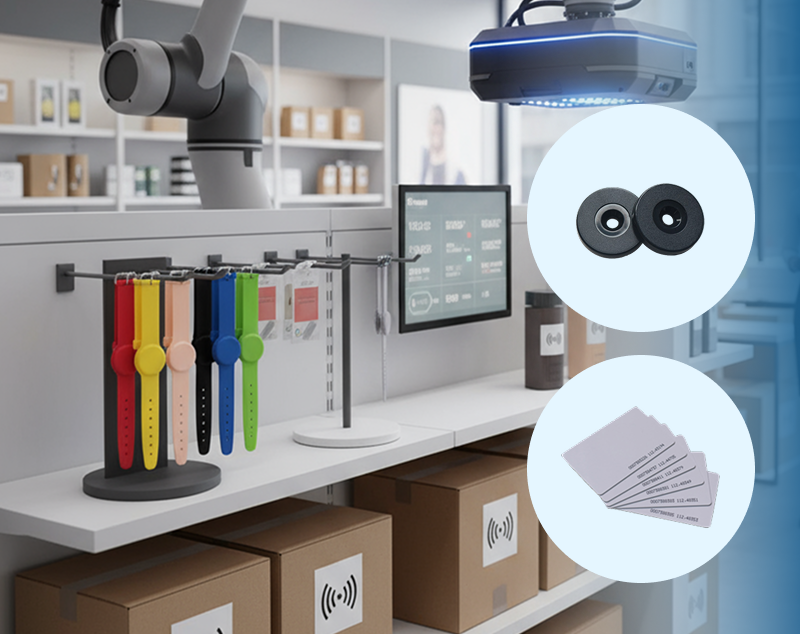
In today’s competitive business world, efficiency, security, and...

In a fast-paced commercial environment like the UAE, where high-value...
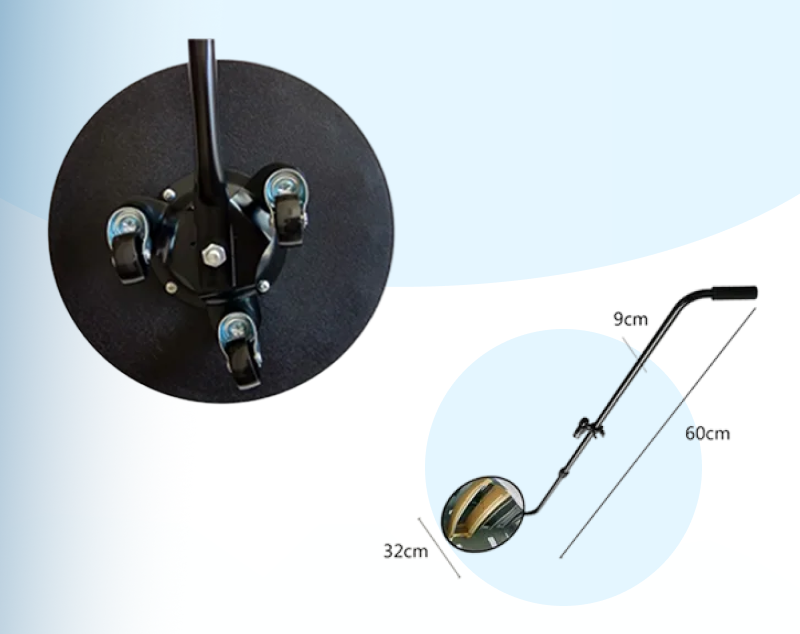
In an era where security threats are becoming more complex and...

Handling coins manually can be a tedious and time-consuming task —...
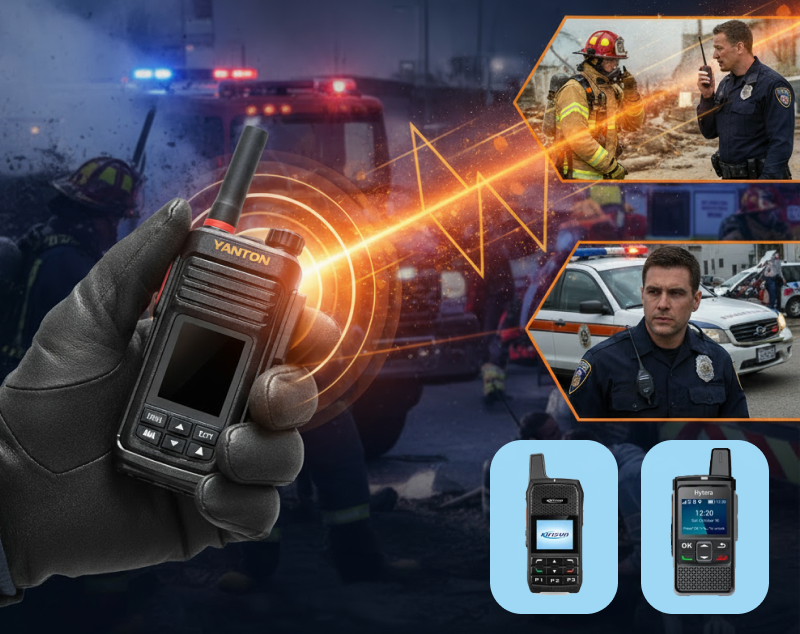
In emergency situations, clear and instant communication is critical....
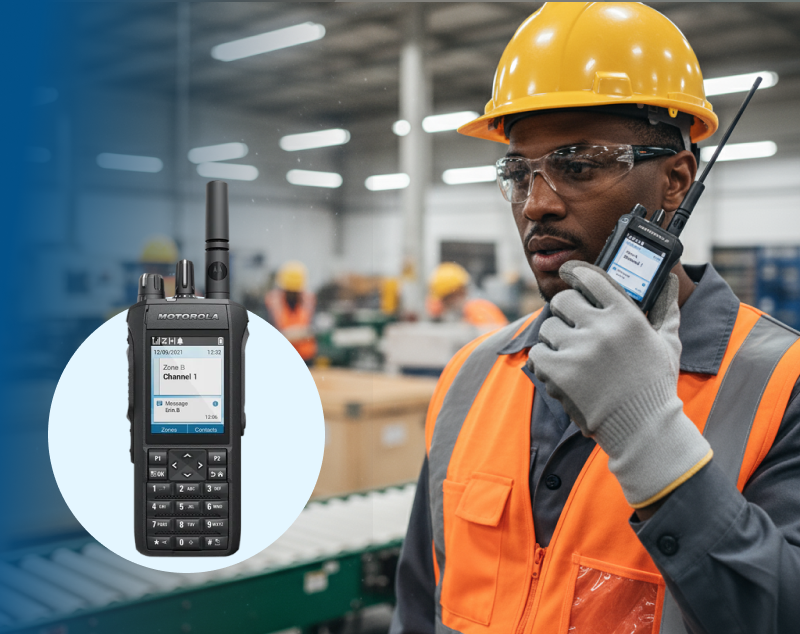
In today’s fast-paced work environments, effective communication is...
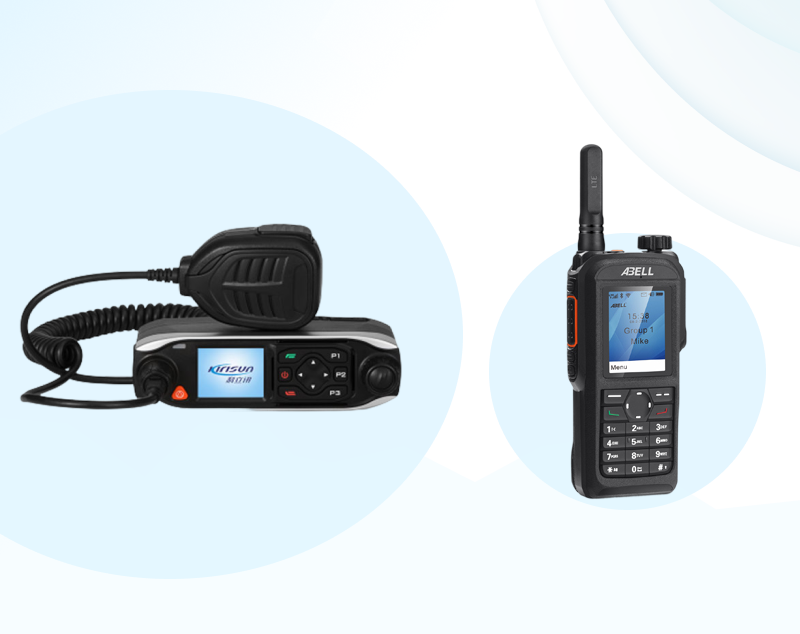
In today’s fast-paced digital world, businesses rely on...
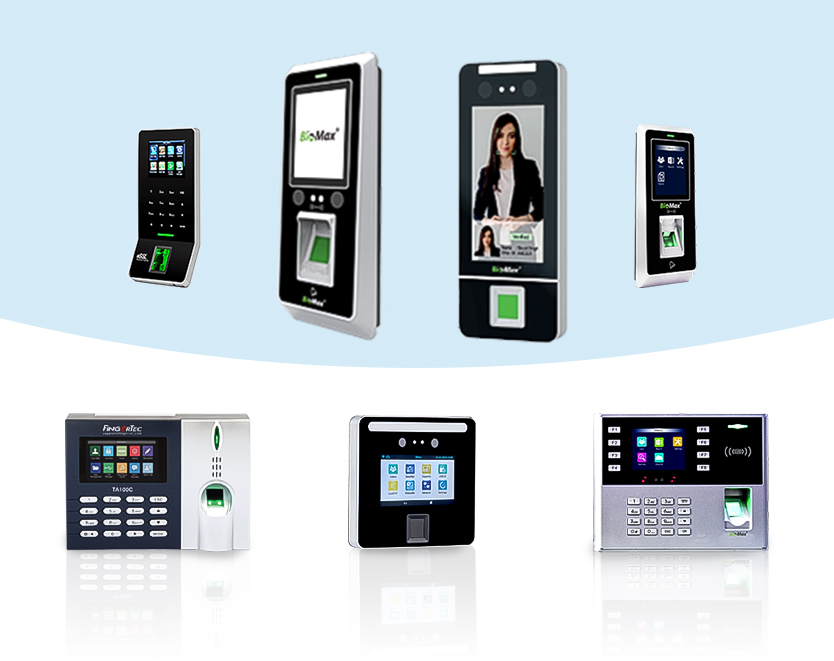
Managing employee attendance and time tracking is essential for every...

The introduction of banknote counters marked a pivotal moment in the...

In today’s world, where security concerns are growing rapidly,...

In today’s rapidly evolving business landscape, the safety and...

In today’s fast-paced world, staying connected is crucial,...

In today’s fast-paced business world, effective communication...
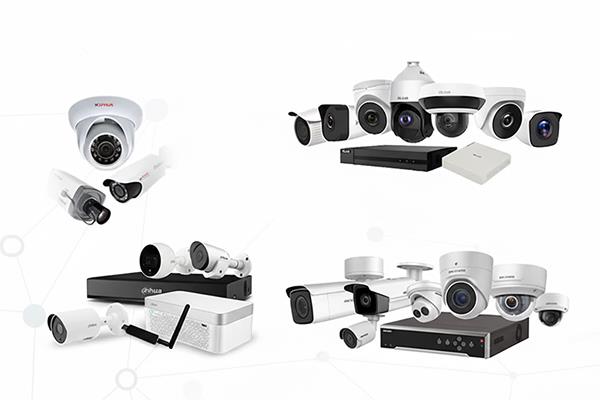
A sense of safety is one of the most basic human needs that goes for...
The construction industry is no stranger to occupational hazards,...
The keys have passed on the baton to computer-based access control...
Manage and regulate vehicles and pedestrians, keep your facilities...
The banknote counter device is designed to count and sum up bank...
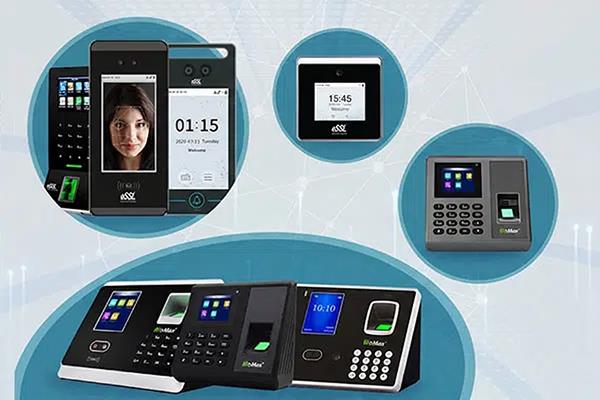
The time and access control system are very much required technology...
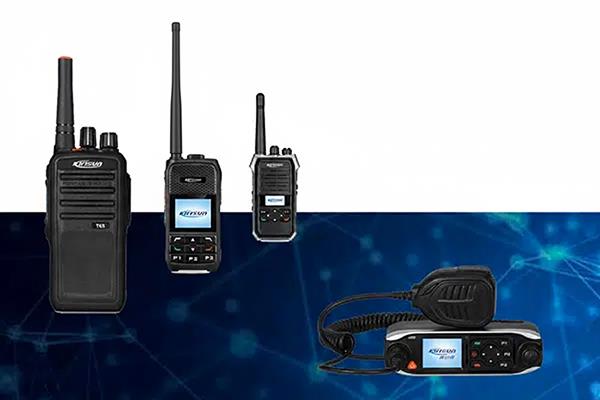
The Push-to-Talk over Cellular (POC) provides instant nationwide...
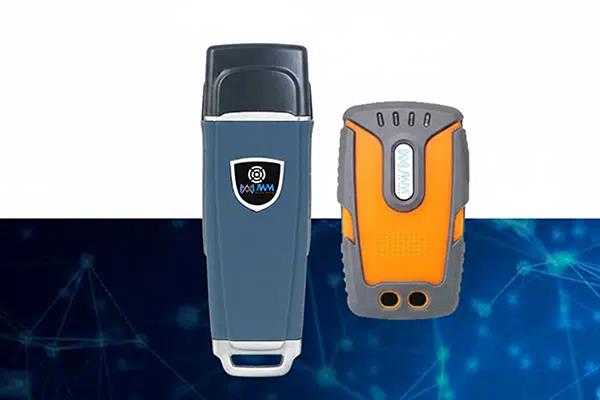
A Guard Tour System is a combination of computer software and...
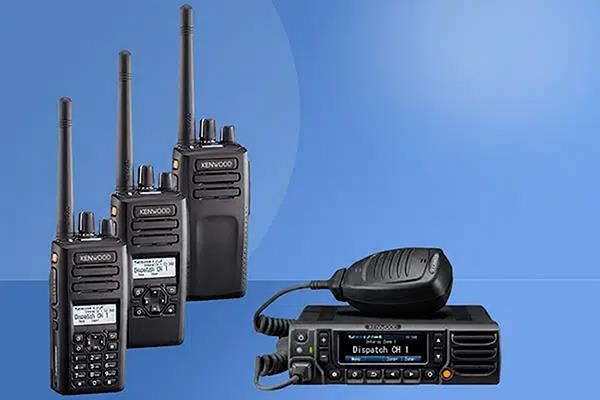
Two-Way Radios are an inconceivably mainstream piece of tech with...

Solutions

Technology

Clients