Door security is no longer limited to traditional keys and metal locks. With advancements in security technology, many homes, offices, and commercial buildings are now adopting smart door lock systems that offer better control, convenience, and monitoring.
Unlike conventional locks, a smart door lock system provides flexible access options, enhanced monitoring, and improved security management. Whether it is used in a residential property, office building, or apartment complex, smart locks offer features designed to simplify access while maintaining strong protection.
Understanding the most important features can help you choose the right system for your property. Below are seven key smart door lock features you should know.
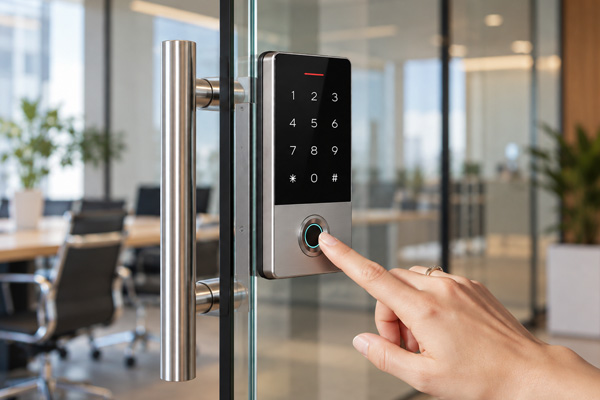
One of the most valuable features of a smart door lock is the ability to unlock doors using different authentication methods. Instead of relying only on a physical key, smart locks allow users to choose from several access options.
Common access methods include:
These options provide flexibility and allow property owners to manage entry for different users without needing physical keys.
Remote access is a feature that makes smart locks particularly useful for modern properties. With mobile app integration, users can lock or unlock doors from anywhere using their smartphones.
This feature is especially helpful for situations such as:
Remote control adds an extra level of convenience while maintaining control over building security.
Smart door lock systems can record entry activity and maintain detailed access logs. These logs show when the door was opened, which user accessed it, and at what time.
This feature is beneficial for both residential and commercial environments because it allows property owners to monitor entry patterns and identify unusual activity. Businesses often rely on access tracking to manage staff access and improve internal security.
Another powerful feature of smart locks is the ability to create temporary or scheduled access permissions. Instead of sharing permanent keys, users can generate access codes that work only during specific time periods.
For example, temporary access can be given to:
Once the scheduled time ends, the access automatically expires, helping maintain security without requiring manual key management.
Modern smart locks are often part of larger building security systems. They can integrate with access control platforms, allowing centralized management of multiple doors and entry points.
This integration is especially useful for:
With centralized control, administrators can manage permissions, monitor access, and maintain security policies from a single interface.
Smart locks can automatically lock doors after a specified time interval. This feature prevents situations where a door is accidentally left unlocked.
Many systems also provide real-time alerts when certain events occur, such as:
These notifications help users respond quickly to potential security issues.
Because smart locks rely on digital connectivity, security protocols are an essential feature. Reputable smart door lock systems use advanced encryption to protect communication between devices and prevent unauthorized access.
Strong encryption and secure authentication help ensure that the system remains resistant to hacking attempts while maintaining reliable performance.
Smart locks are increasingly being adopted because they combine security, convenience, and access management in a single solution. Traditional locks offer limited control, while smart locks provide a flexible and scalable approach to managing entry.
Property owners benefit from features such as remote access, real-time monitoring, and customizable permissions. These capabilities make smart locks suitable for both residential and commercial applications.
For organizations managing multiple entry points, implementing a smart door lock system can significantly improve operational efficiency while strengthening building security.
Smart door locks represent a major advancement in modern access control technology. By offering multiple authentication methods, remote management, access tracking, and enhanced security features, these systems provide a smarter way to protect and manage properties.
Understanding the key features of smart locks helps property owners choose the right solution for their security needs. As technology continues to evolve, smart door lock systems will play an increasingly important role in modern building security and access management.


Managing keys across a commercial facility can become difficult when...
Smartphones have become an important part of workplace communication....
Choosing a two-way radio for a hazardous work site is different from...

Maintaining a safe and productive workplace is a priority for every...
In industries where a single spark can be catastrophic, the tools...
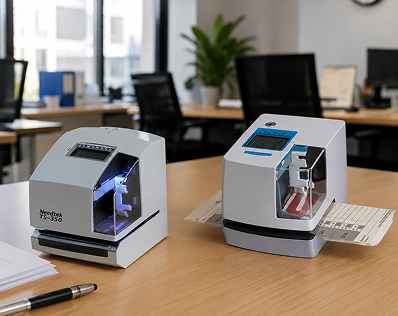
In today’s fast-paced business environment, keeping accurate...
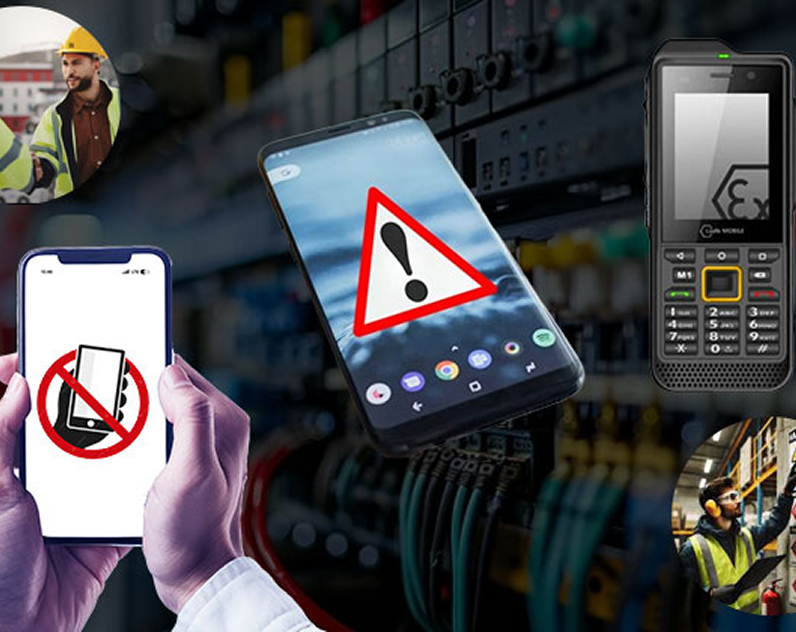
In industries where safety is critical, communication devices must...
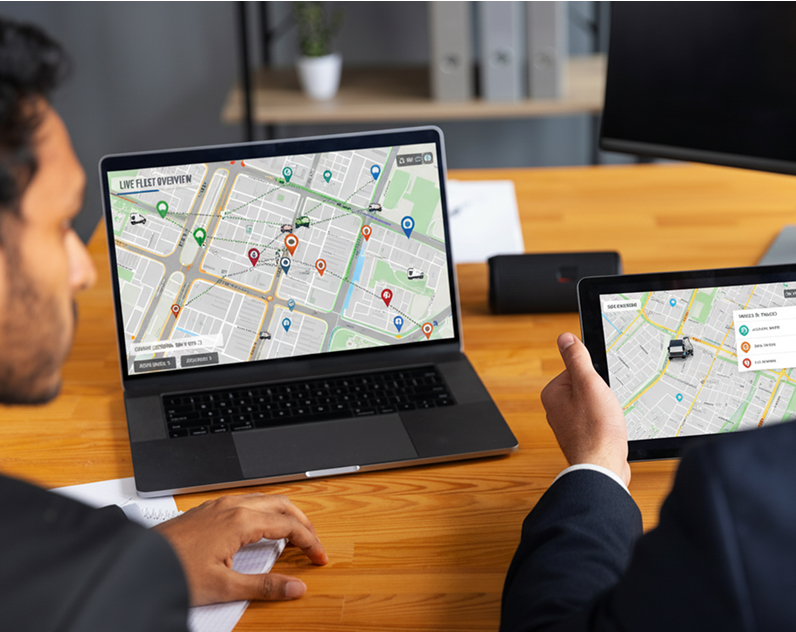
Managing a fleet without real-time visibility is like driving...
In an era dominated by smartphones and high-speed mobile data, it is...
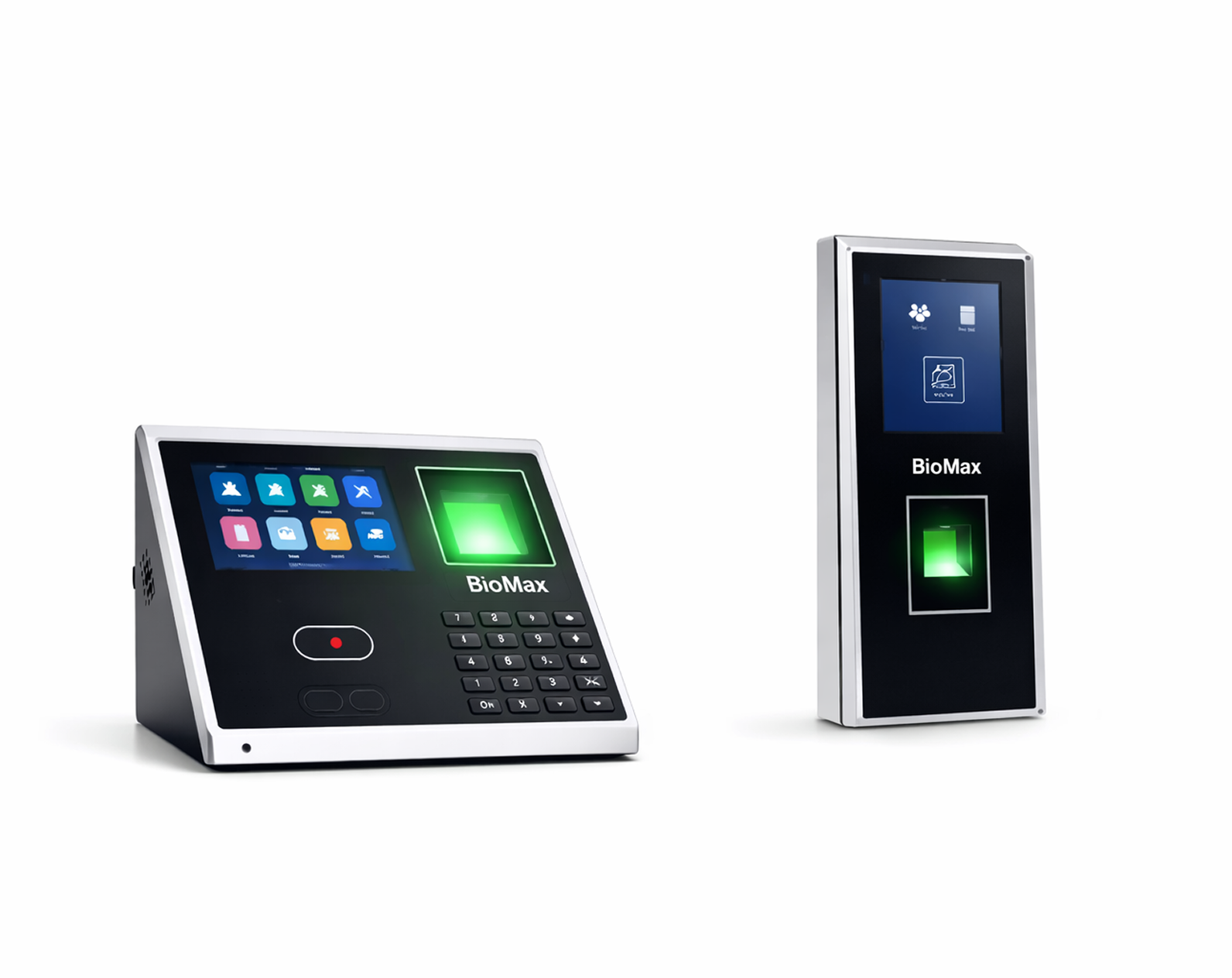
Managing employee attendance accurately is one of the biggest...
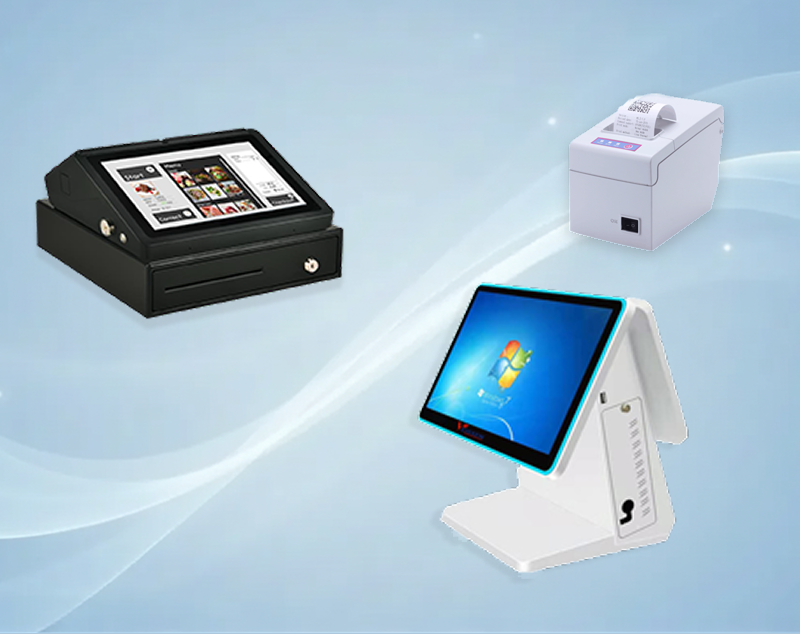
A POS (Point of Sale) machine is more than a simple billing device....
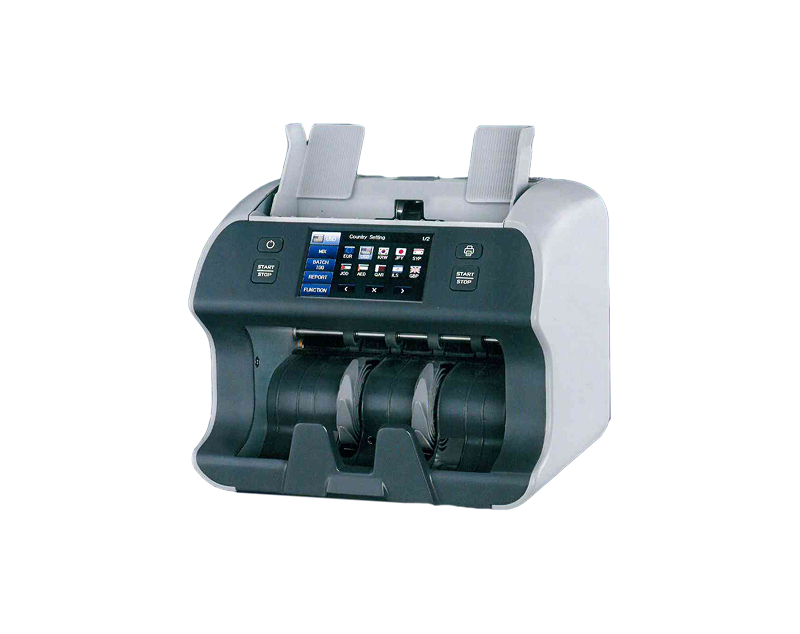
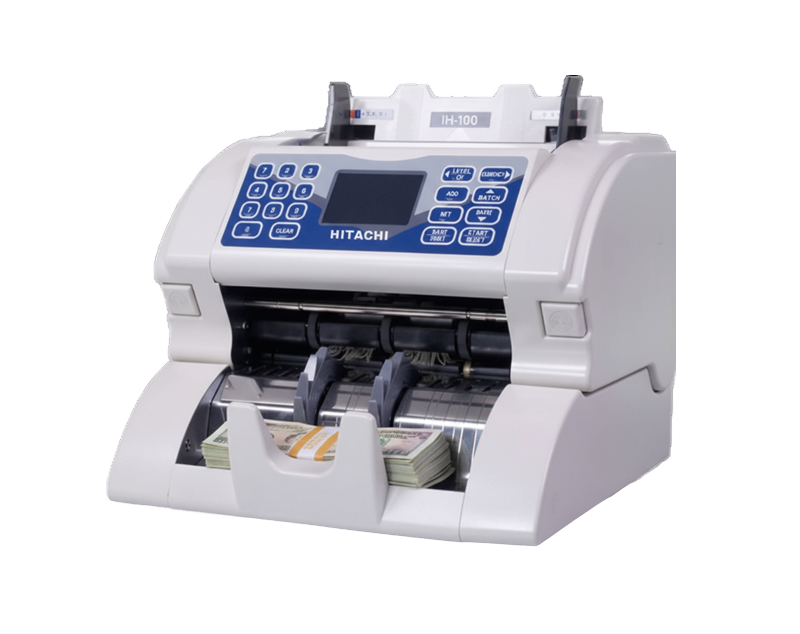
The Hitachi IH100 is an advanced, intelligent single-pocket currency...
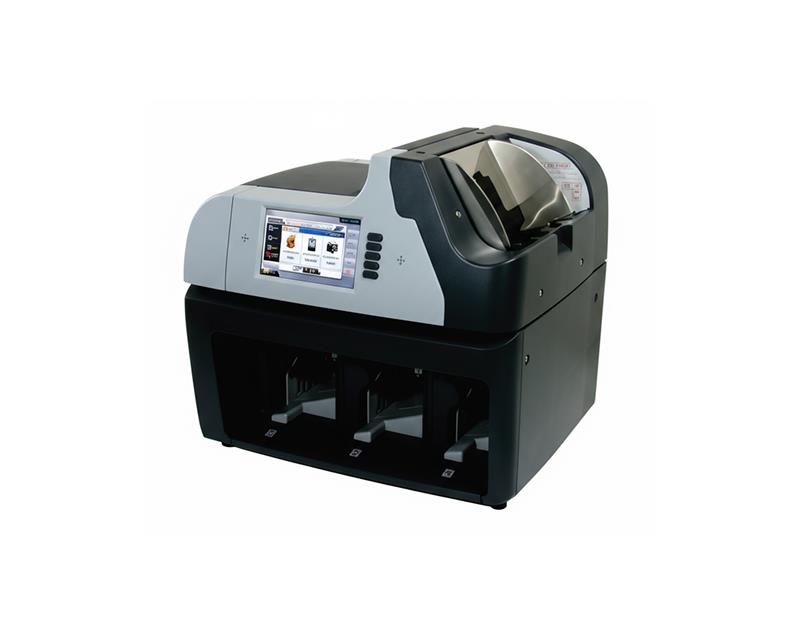
Hitachi ST-300 is a smart, practical multi-currency fitness sorter...
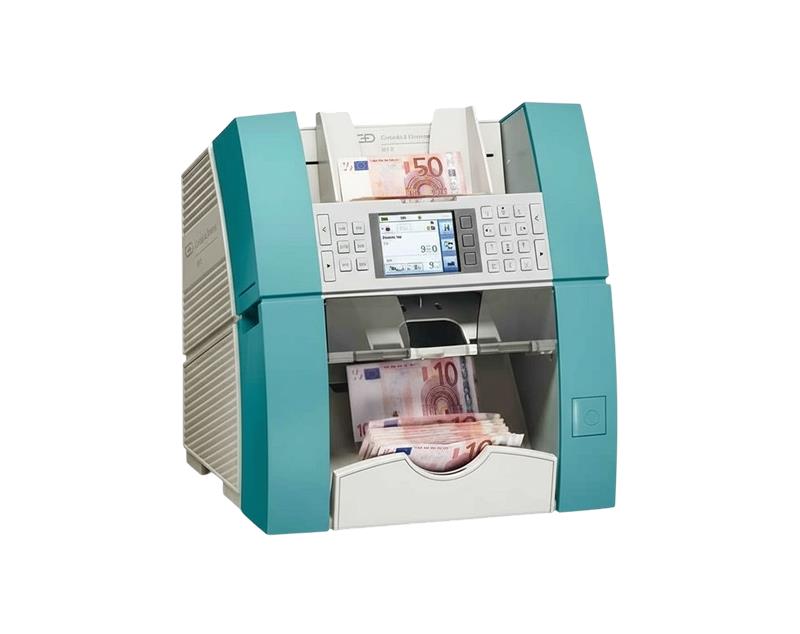
Flexible, powerful, and robust: the BPS C1 offers everything a bank...
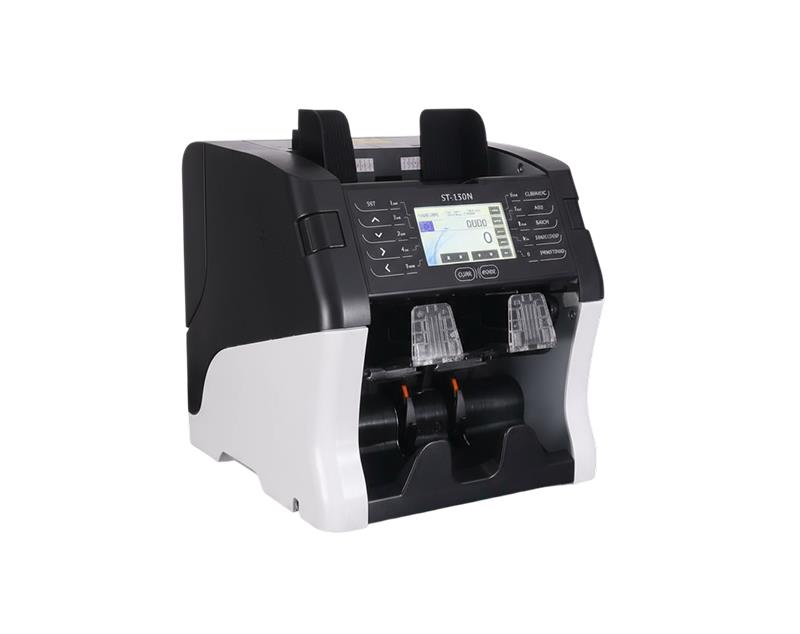
Currency Fitness Sorter, Authenticator with 2-pocket New Paradigm of...
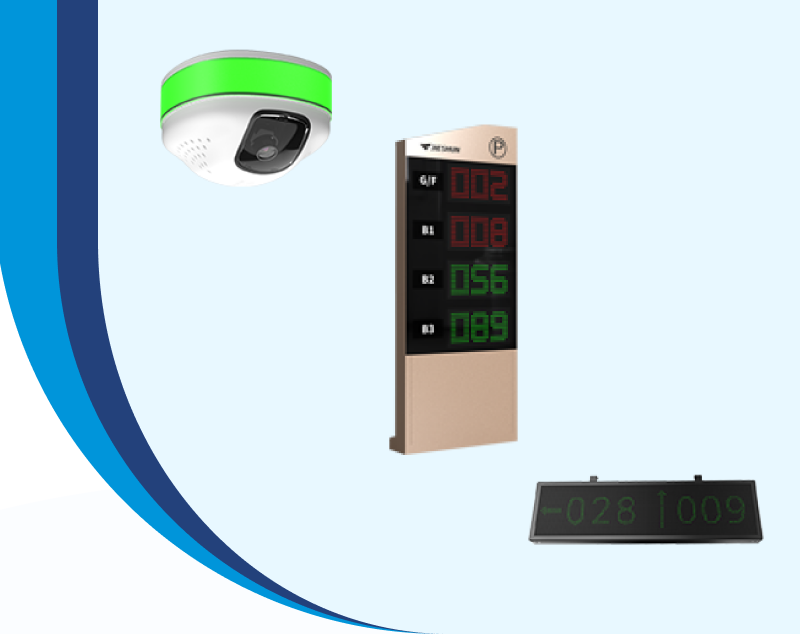
In today’s fast-moving world, customers expect convenience, speed,...
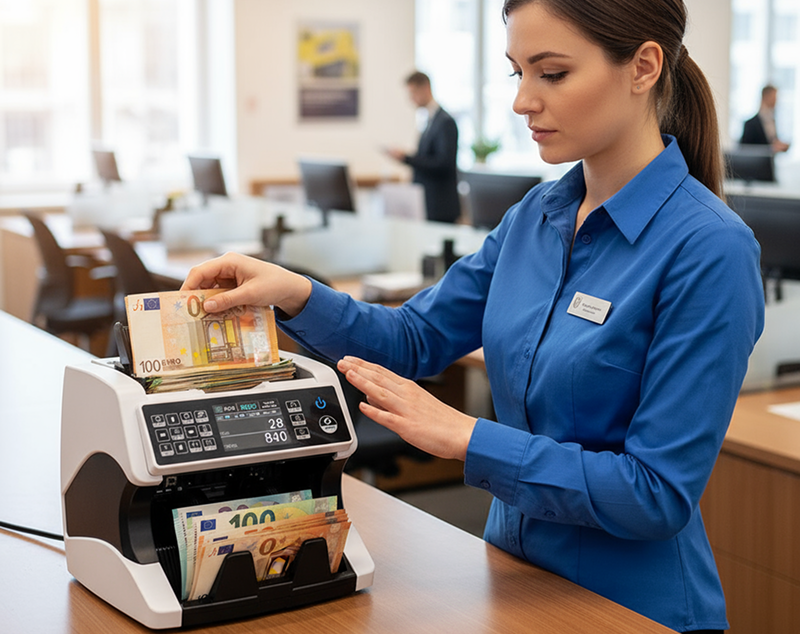
In today’s fast-paced business world, handling cash accurately and...
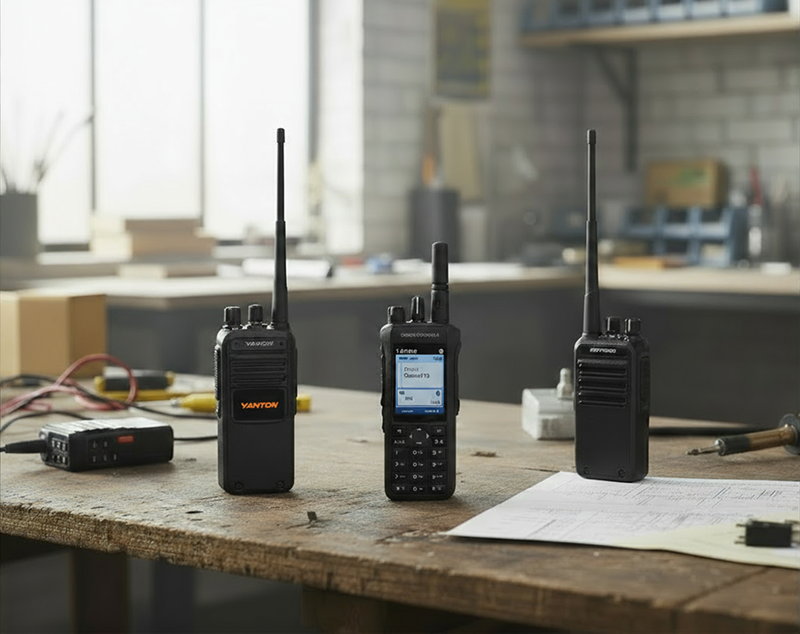
Clear and reliable communication is the backbone of any successful...
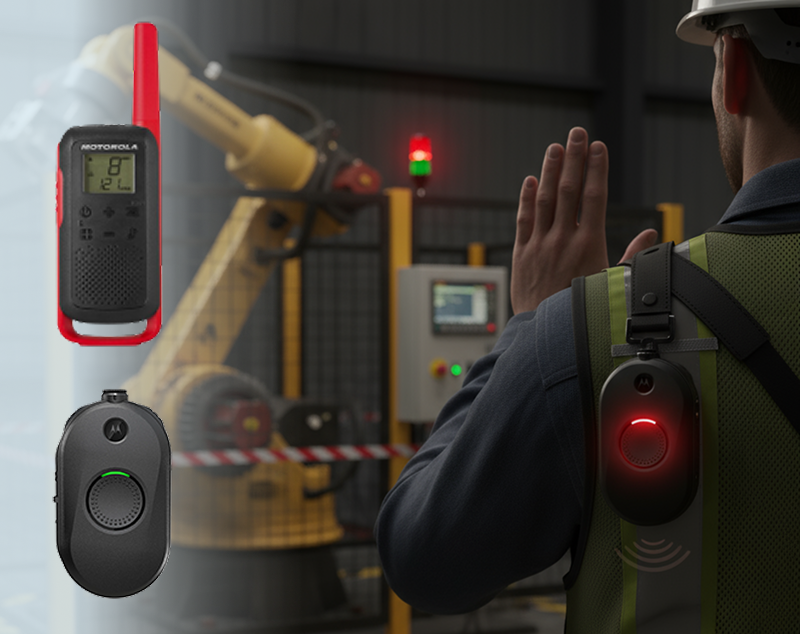
In high-risk industries such as construction, oil & gas, mining,...
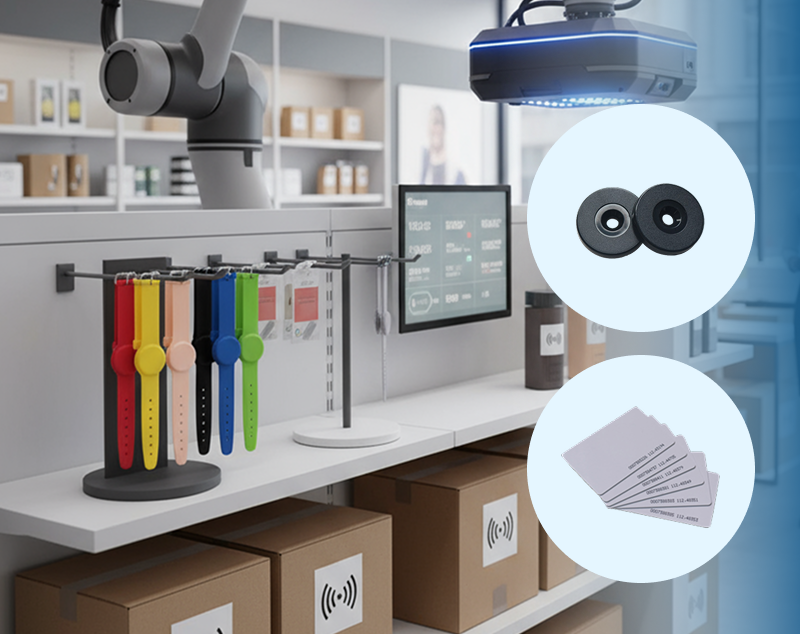
In today’s competitive business world, efficiency, security, and...
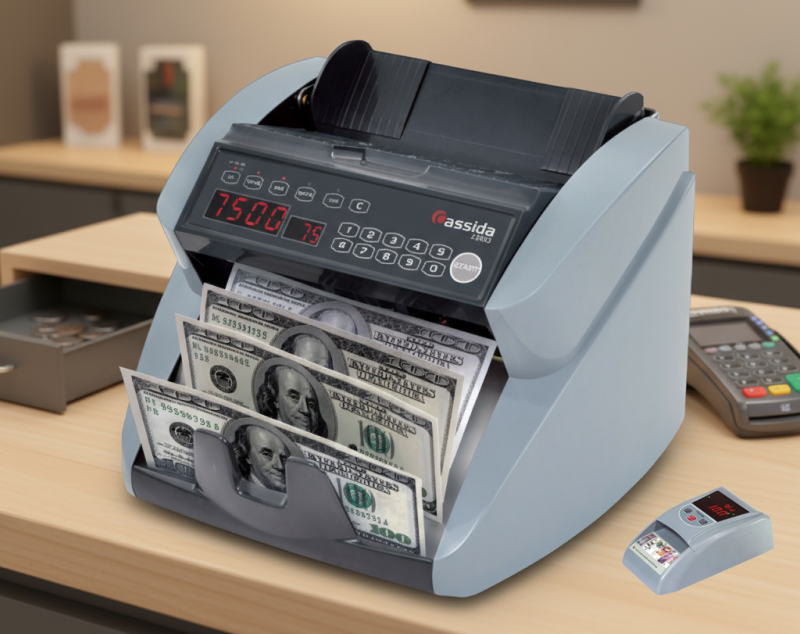
In a fast-paced commercial environment like the UAE, where high-value...
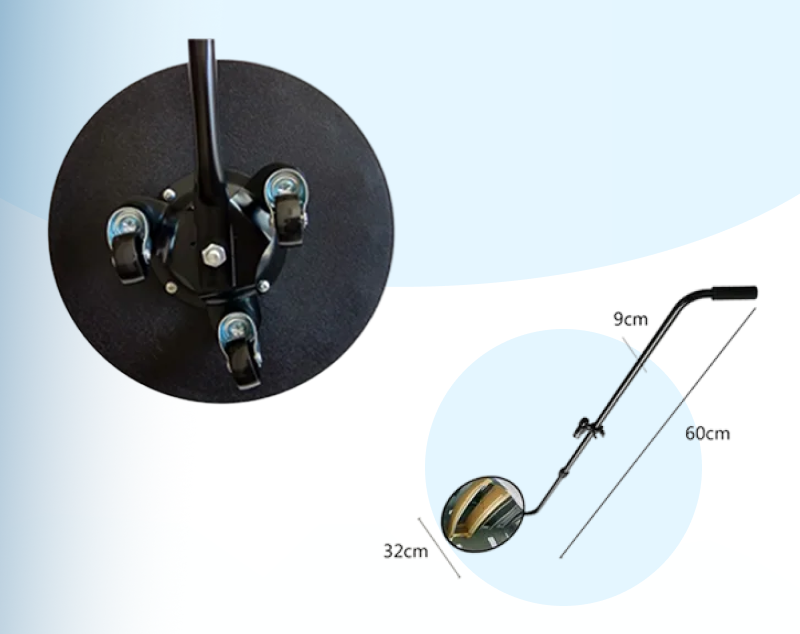
In an era where security threats are becoming more complex and...
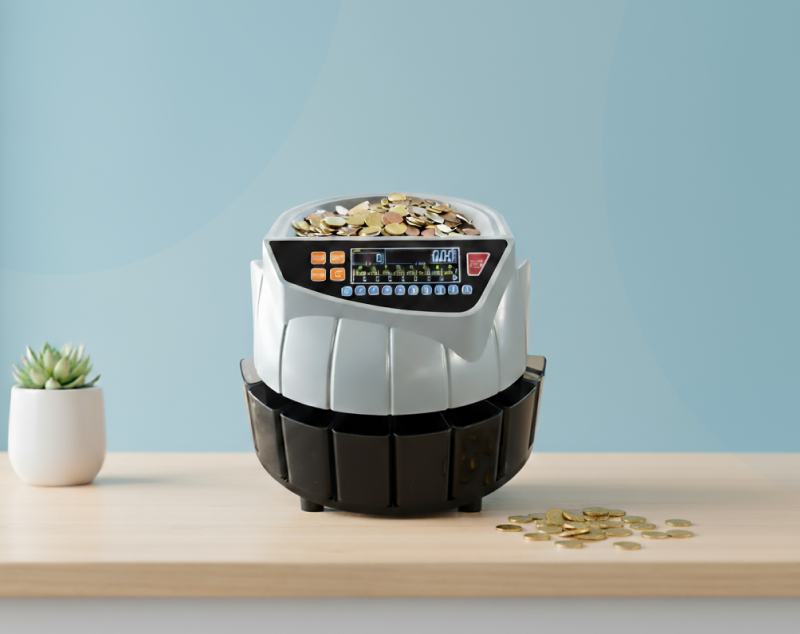
Handling coins manually can be a tedious and time-consuming task —...
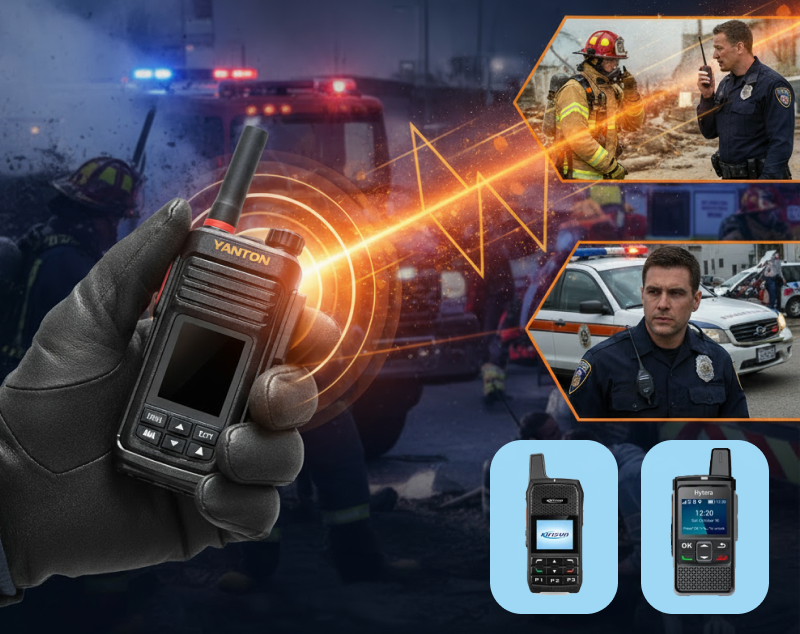
In emergency situations, clear and instant communication is critical....
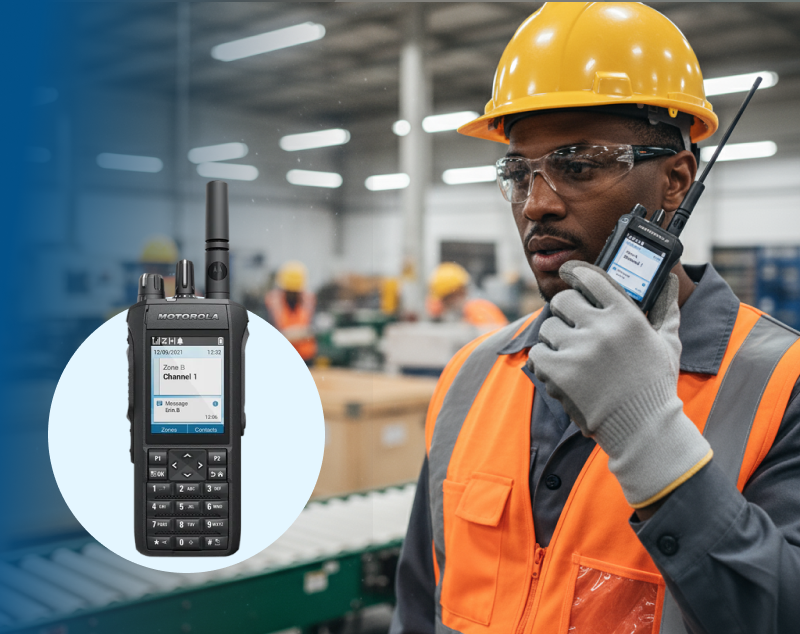
In today’s fast-paced work environments, effective communication is...
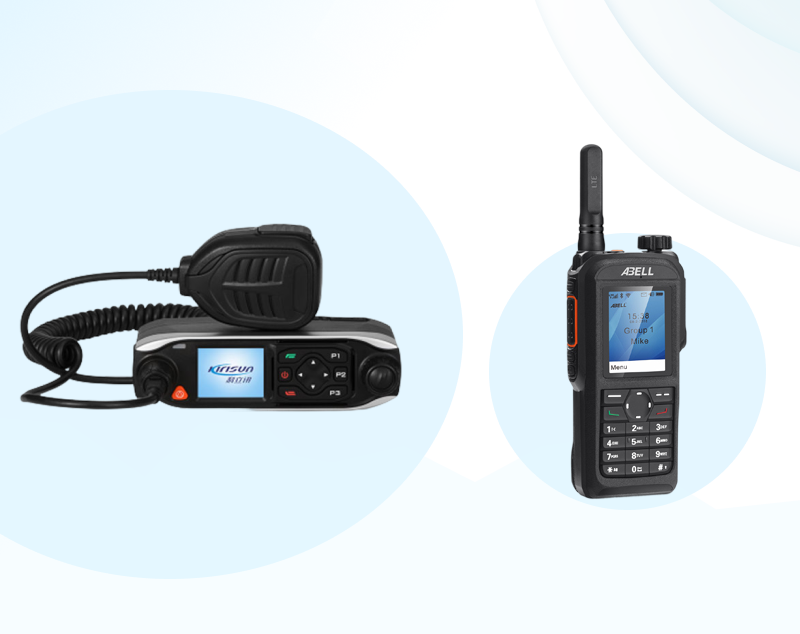
In today’s fast-paced digital world, businesses rely on...
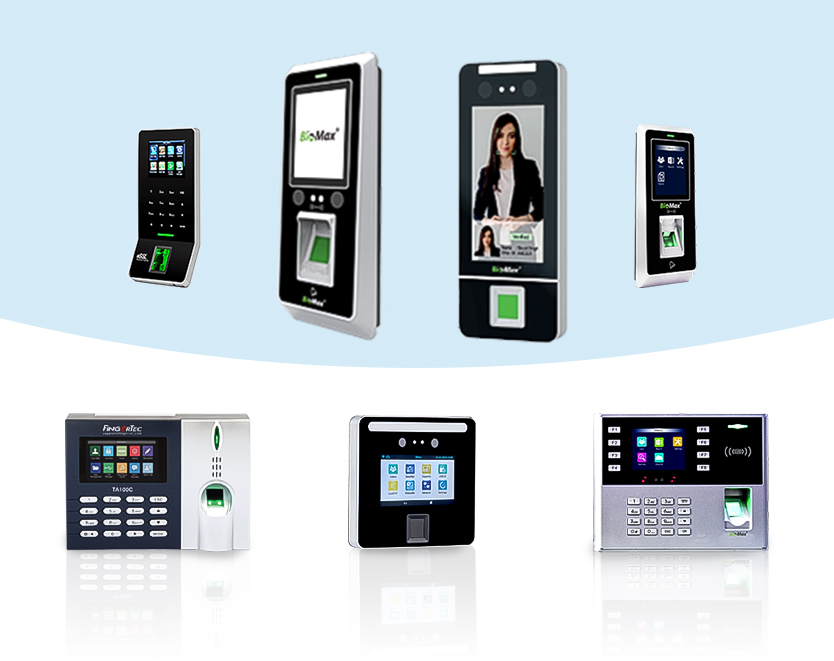
Managing employee attendance and time tracking is essential for every...

The introduction of banknote counters marked a pivotal moment in the...

In today’s world, where security concerns are growing rapidly,...
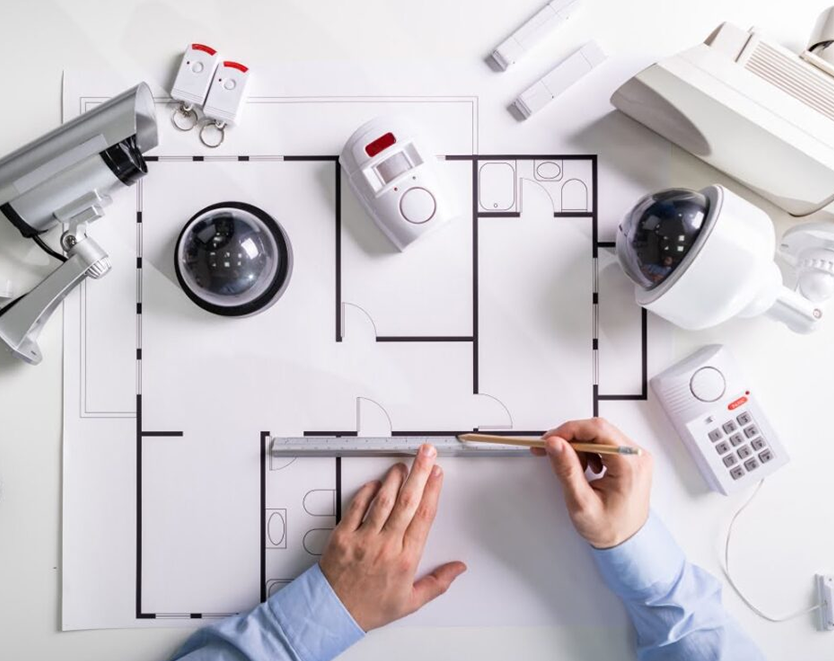
In today’s rapidly evolving business landscape, the safety and...

In today’s fast-paced world, staying connected is crucial,...

In today’s fast-paced business world, effective communication...
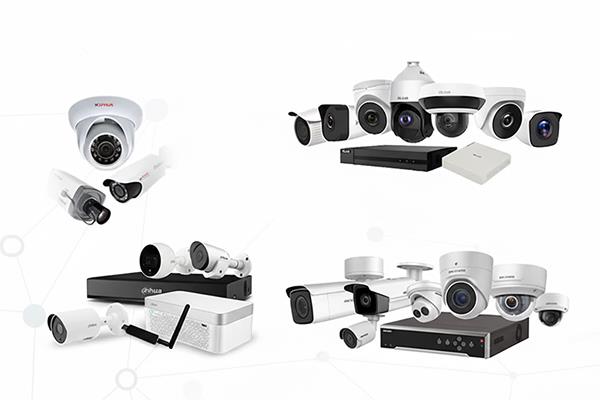
A sense of safety is one of the most basic human needs that goes for...
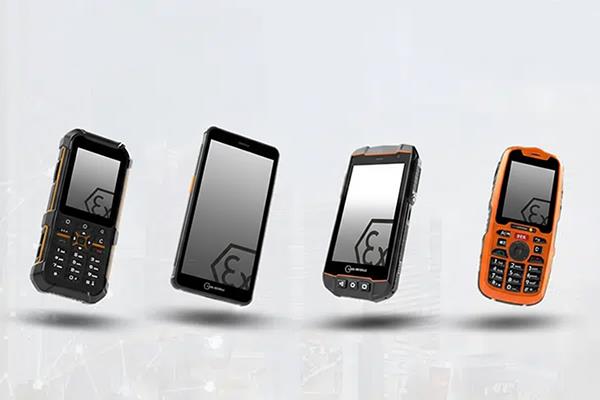
The construction industry is no stranger to occupational hazards,...
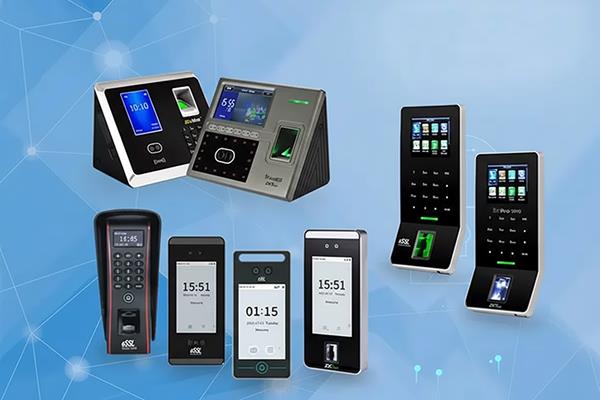
The keys have passed on the baton to computer-based access control...
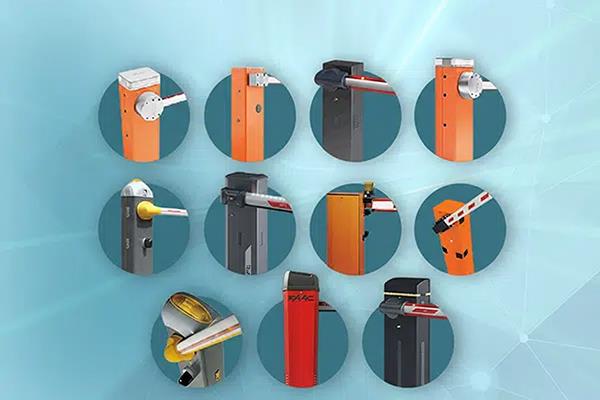
Manage and regulate vehicles and pedestrians, keep your facilities...
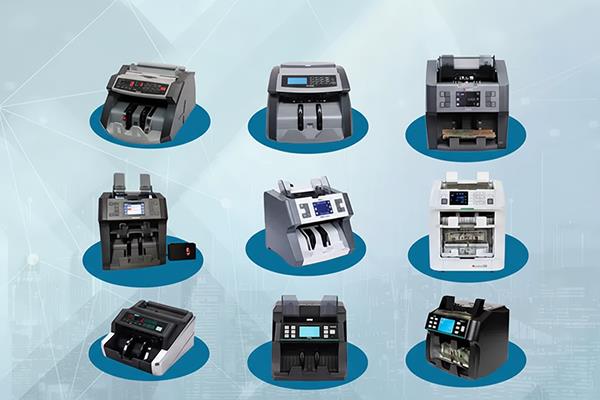
The banknote counter device is designed to count and sum up bank...
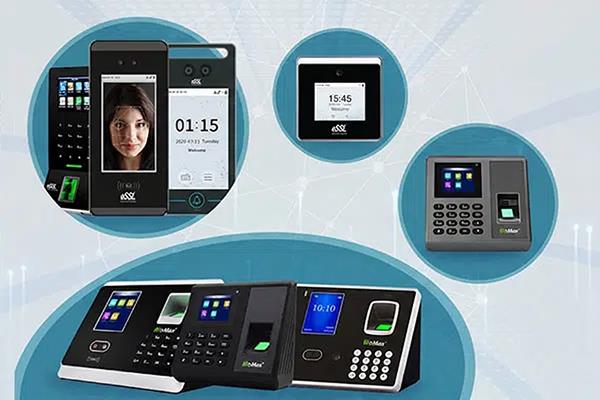
The time and access control system are very much required technology...
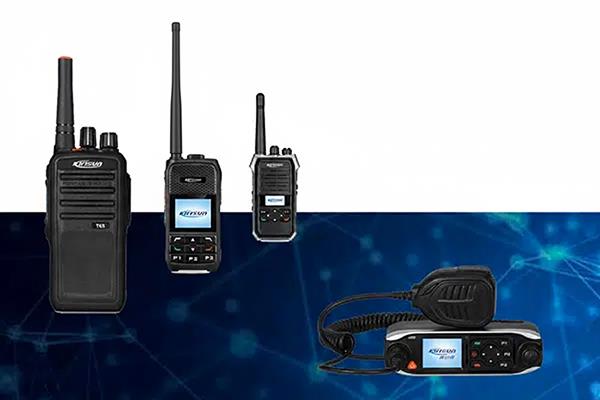
The Push-to-Talk over Cellular (POC) provides instant nationwide...
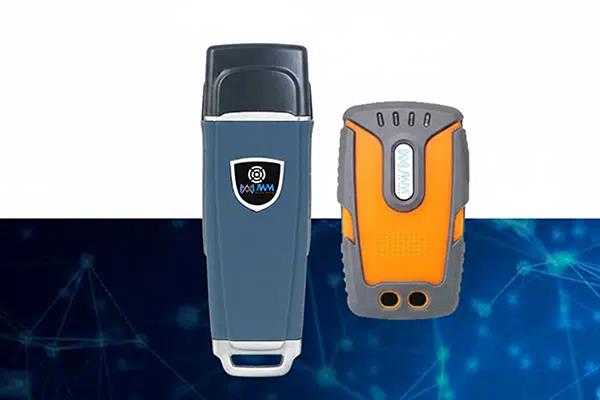
A Guard Tour System is a combination of computer software and...
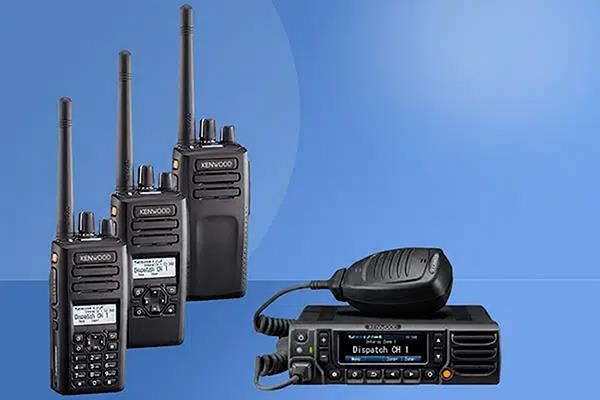
Two-Way Radios are an inconceivably mainstream piece of tech with...

Solutions

Technology

Clients