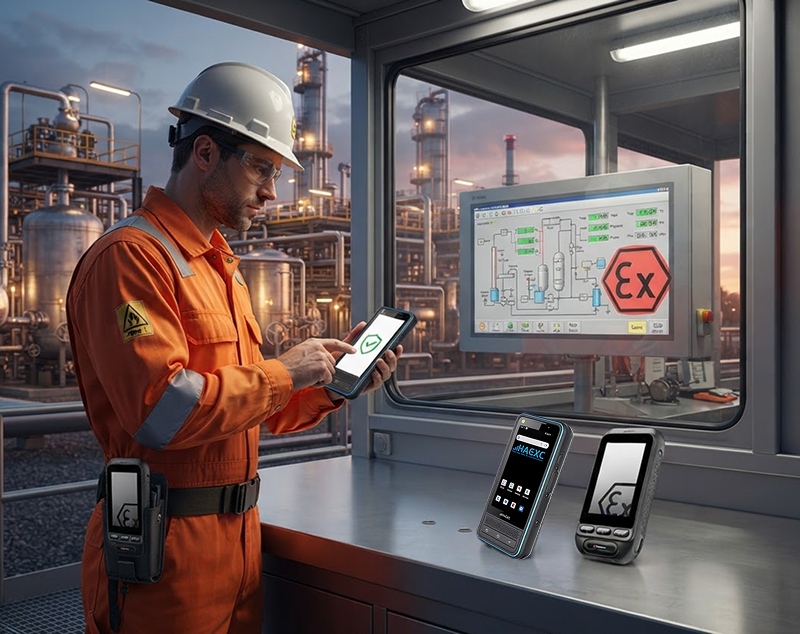
Smartphones have become an important part of workplace communication. Workers use them to make calls, send messages, access documents, share information, track locations, and stay connected with their teams. However, using a regular smartphone is not always suitable for every work environment.
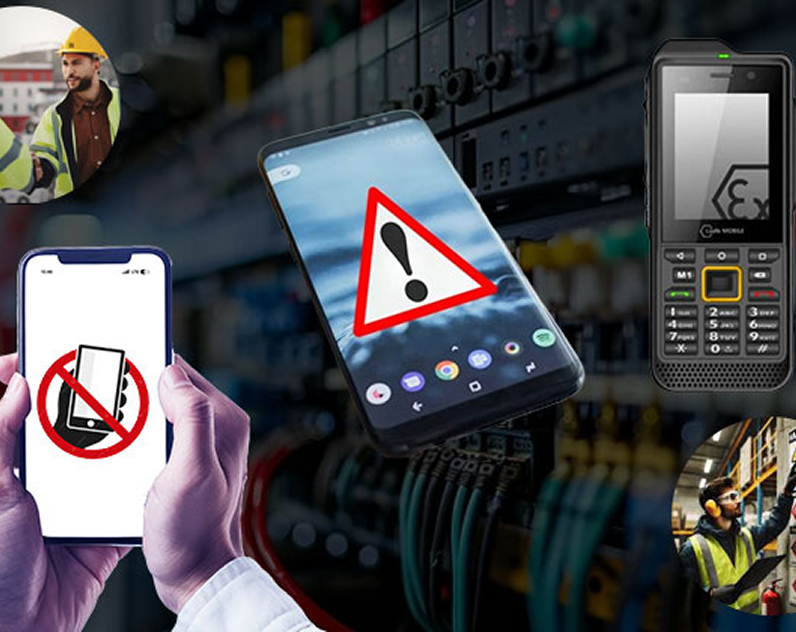
In industries such as oil and gas, petrochemicals, chemicals, manufacturing, mining, and other industrial operations, workers may enter areas where flammable gases, vapours, mists, or dust are present. Under certain conditions, these materials can create an explosive atmosphere. In such environments, even a small ignition source can create a serious safety risk.
This is where explosion proof smartphones can play an important role. These devices are designed and certified for use in specific hazardous environments. However, choosing a certified device is only one part of staying safe in a hazardous workplace. It is equally important to understand how to use the smartphone properly and follow the required safety procedures.
Here are some key practices to follow.
The first step is choosing the right device for the area where it will be used.
Not every rugged or waterproof smartphone is suitable for a hazardous environment. A phone may have a strong body, water resistance, or dust protection, but that does not automatically make it safe for use where explosive atmospheres may occur.
Look for the appropriate certification and equipment classification for the intended workplace. ATEX certification confirms that equipment meets the requirements for use in potentially explosive atmospheres, while IECEx provides an international certification system for equipment used in explosive environments.
The device should also be suitable for the specific type of hazard, such as gases, vapours, mists, or combustible dust.
Workers should know where hazardous areas begin and what type of risk exists in each area.
Hazardous locations can be classified into different zones depending on how likely an explosive atmosphere is to occur and how long it may remain present. The workplace risk assessment determines the appropriate classification and safety measures.
For example, ATEX classifies hazardous areas into different zones based on the likelihood of an explosive atmosphere occurring. Equipment selection needs to match the relevant zone and the type of hazard present.
Workers should know the safety requirements of the area before using the smartphone there. This includes understanding:
A certified smartphone should never be treated as suitable for every hazardous area automatically.
Every explosion proof smartphone has specific operating conditions provided by its manufacturer.
These instructions may cover areas such as temperature limits, charging, accessories, maintenance, battery replacement, and permitted operating conditions.
Users should read and follow these instructions before taking the device into a hazardous area. ATEX requirements also emphasize safe use, maintenance, inspection, and operating instructions for equipment intended for potentially explosive atmospheres.
If the manufacturer specifies special conditions of use, those conditions should always be followed.
Accessories can affect the safety of an explosion proof smartphone.
Chargers, batteries, cables, headphones, cases, docking equipment, and other accessories should be compatible with the specific device and approved for the intended application where required.
Avoid assuming that an ordinary accessory is safe simply because the smartphone itself is certified.
For example, using an unsuitable battery or charging accessory can change the operating conditions of the device. In a hazardous environment, that can create unnecessary risk.
When in doubt, check the manufacturer’s documentation or speak with the equipment supplier before using an accessory.
An explosion proof smartphone should not be opened, modified, repaired, or altered by an unauthorised person.
Adding third-party components, changing the battery, drilling holes into the casing, replacing parts with unsuitable alternatives, or making other physical changes can affect the protection provided by the original design.
The certification of equipment is based on its approved design and intended use. Therefore, repairs and servicing should follow the manufacturer’s requirements and be performed by appropriately qualified personnel where necessary.
This is particularly important for equipment used in environments where ignition risks need to be carefully controlled.
A quick inspection before use can help identify potential problems.
Workers should check the smartphone for visible damage, loose components, damaged charging ports, cracked housings, or other issues that could affect its safe operation.
If the device has been dropped heavily or appears damaged, it should not simply be returned to service without checking whether it remains suitable for use.
Regular inspection and maintenance are important because workplace equipment can be exposed to impacts, chemicals, dust, moisture, temperature changes, and other demanding conditions.
Explosion proof smartphones are designed to work under specified conditions. These may include temperature, pressure, battery, and environmental limits.
Using a device outside the conditions specified by the manufacturer can compromise its intended protection.
Workers should therefore understand the environmental limits of their particular device. This is especially important in industrial facilities where temperatures and exposure conditions can vary considerably.
If the working environment changes, the equipment should be reassessed rather than assuming that the same device remains appropriate.
One of the main advantages of an explosion proof smartphone is that it can provide communication and useful workplace functions without requiring workers to carry a conventional consumer smartphone into a hazardous area.
Depending on the device, useful functions may include:
However, workers should use these features according to company safety procedures. For example, taking photographs or using the phone while operating machinery may create a separate workplace hazard even if the smartphone itself is certified.
The device being explosion proof does not remove the need to follow normal workplace safety rules.
Charging is another area that should not be overlooked.
Workers should follow the manufacturer’s instructions for charging, battery handling, and storage. The correct charger and approved battery should be used, and any special charging requirements should be followed.
If the battery becomes swollen, damaged, unusually hot, or otherwise abnormal, the device should be removed from service and assessed according to the manufacturer’s procedures.
Routine maintenance should also be documented where required by the organisation’s equipment and safety procedures.
Even the most advanced explosion proof smartphone cannot replace proper worker training.
Employees should understand why the device is approved for a particular environment, where it can be used, what restrictions apply, and what to do if the device becomes damaged or behaves unexpectedly.
Training should also cover the company’s hazardous-area procedures and emergency requirements.
This is important because explosion protection is not based on equipment alone. Workplace safety also depends on risk assessment, organisational measures, correct equipment selection, and safe working practices.
Some simple mistakes can undermine the safe use of an explosion proof smartphone.
Avoid:
The safest approach is to treat the smartphone as part of the workplace’s overall safety system rather than as a standalone safety solution.
Explosion proof smartphones allow workers to stay connected and use important work-related features in hazardous environments where regular smartphones may not be safe to use. However, choosing the right device is only the first step.
The smartphone must be suitable for the specific hazardous area, have the appropriate certification, be used within its stated operating limits, and be maintained according to the manufacturer’s instructions. Workers should also receive proper training and follow the safety procedures established for their workplace.
If your business needs communication devices for hazardous environments, choosing the right certified equipment is an important part of the process. You can explore the range of ATEX mobile phones supplied by Bharti Technologies for use in potentially hazardous environments.
Note: The exact certification, zone suitability, and permitted use of a device depend on its specific certification and the requirements of the workplace. Always follow the manufacturer’s documentation and applicable workplace safety procedures.


Choosing a two-way radio for a hazardous work site is different from...

Maintaining a safe and productive workplace is a priority for every...
In industries where a single spark can be catastrophic, the tools...
In today’s fast-paced business environment, keeping accurate...
In industries where safety is critical, communication devices must...
Managing a fleet without real-time visibility is like driving...

Door security is no longer limited to traditional keys and metal...
In an era dominated by smartphones and high-speed mobile data, it is...
Managing employee attendance accurately is one of the biggest...
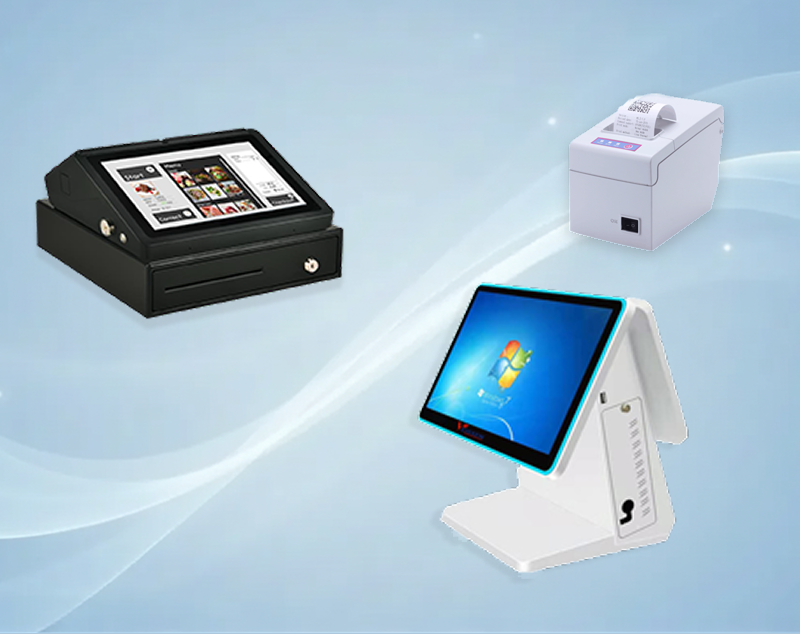
A POS (Point of Sale) machine is more than a simple billing device....
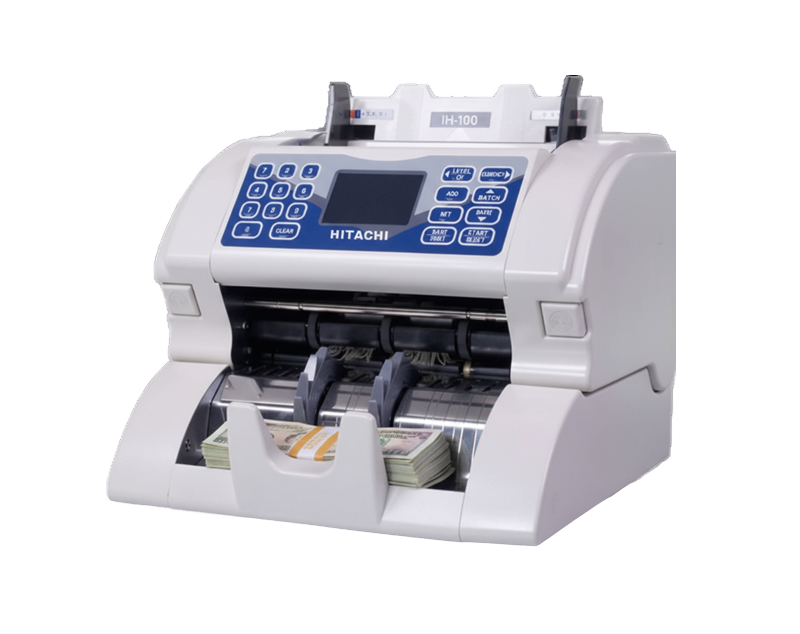
The Hitachi IH100 is an advanced, intelligent single-pocket currency...
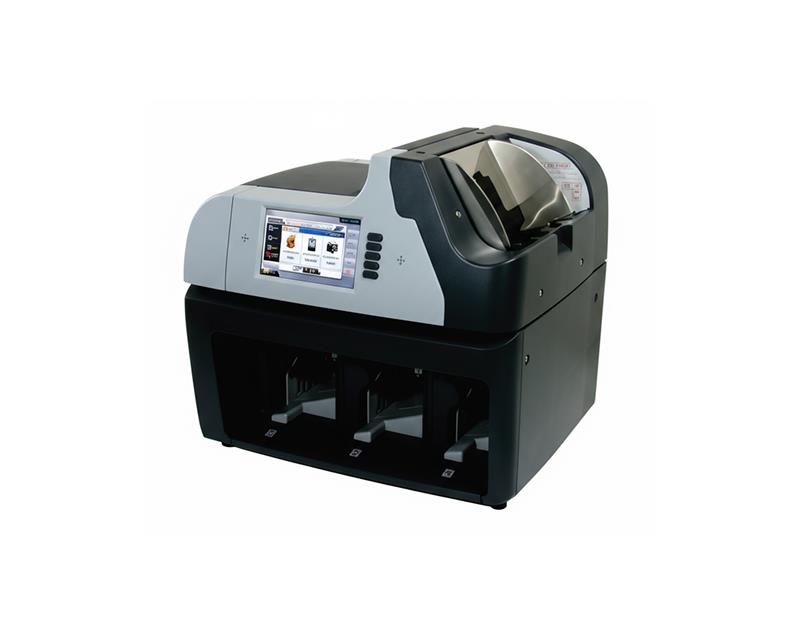
Hitachi ST-300 is a smart, practical multi-currency fitness sorter...
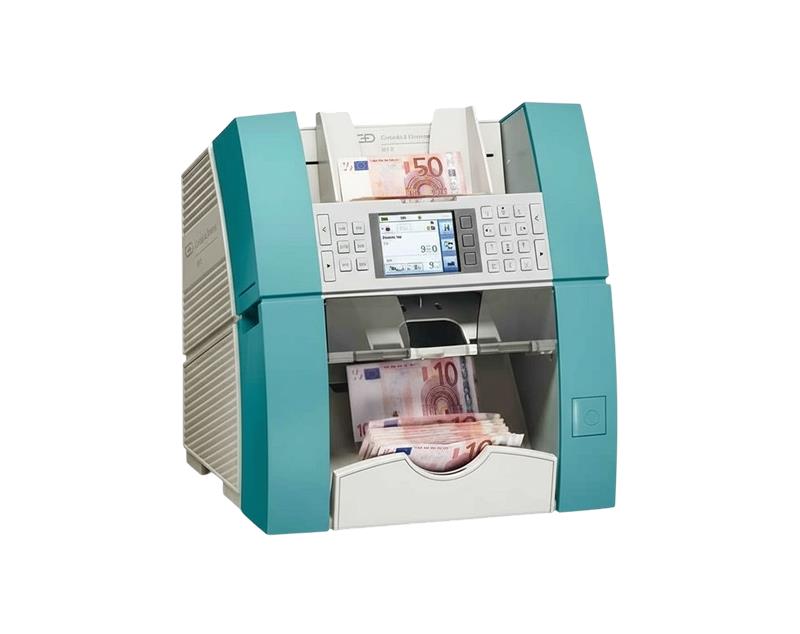
Flexible, powerful, and robust: the BPS C1 offers everything a bank...
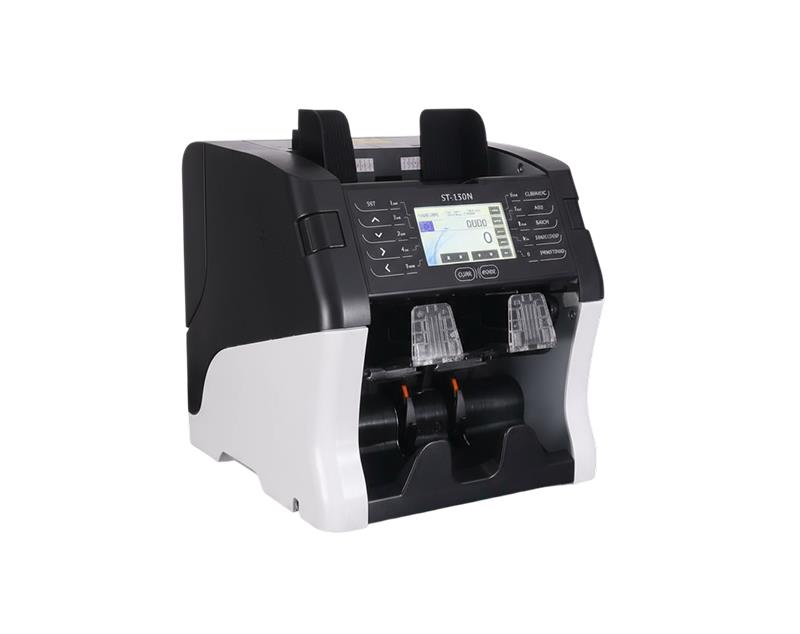
Currency Fitness Sorter, Authenticator with 2-pocket New Paradigm of...
In today’s fast-moving world, customers expect convenience, speed,...
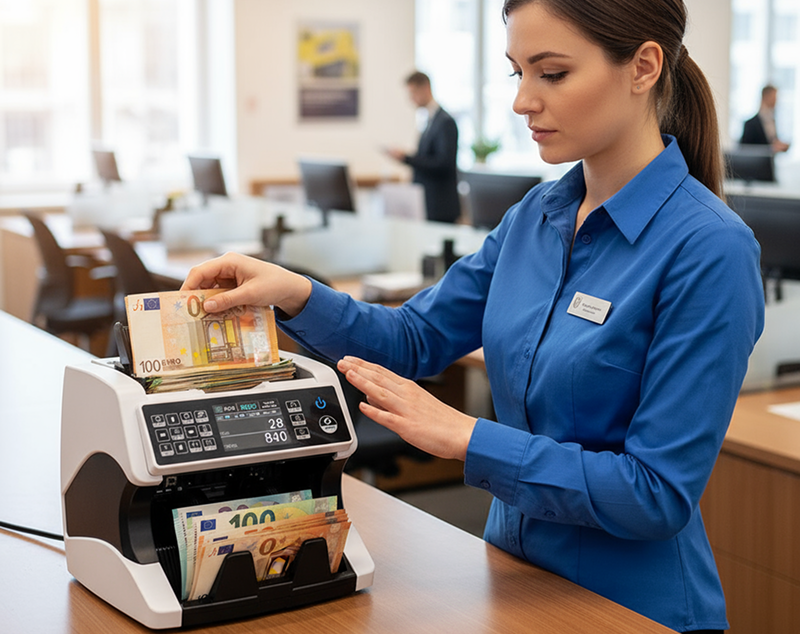
In today’s fast-paced business world, handling cash accurately and...
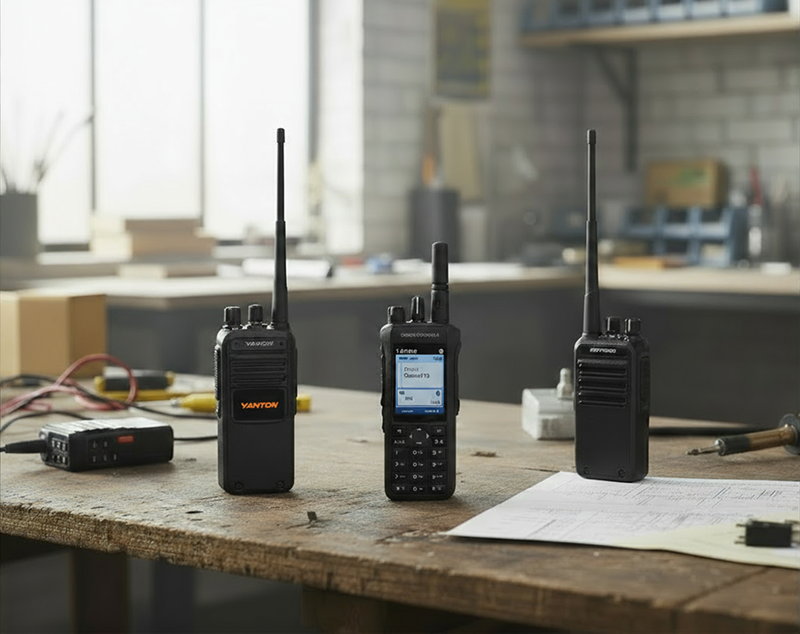
Clear and reliable communication is the backbone of any successful...
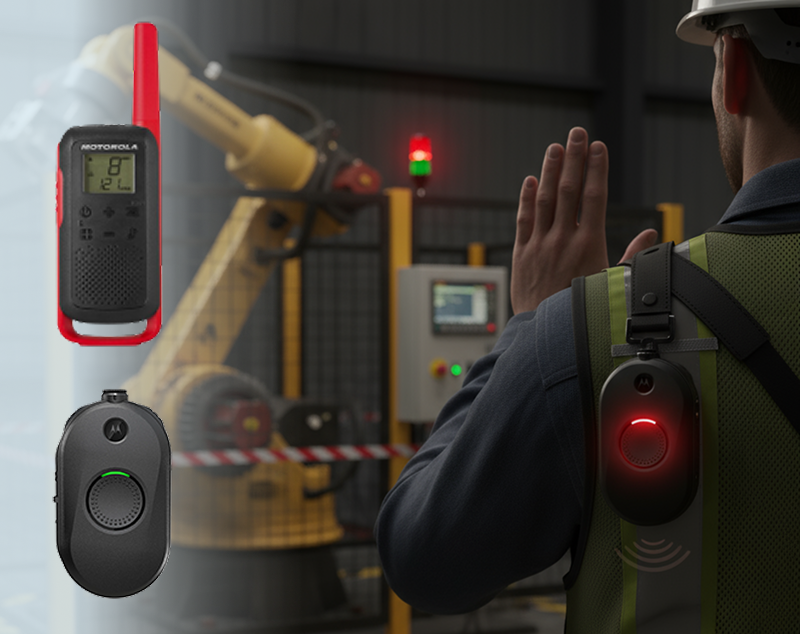
In high-risk industries such as construction, oil & gas, mining,...
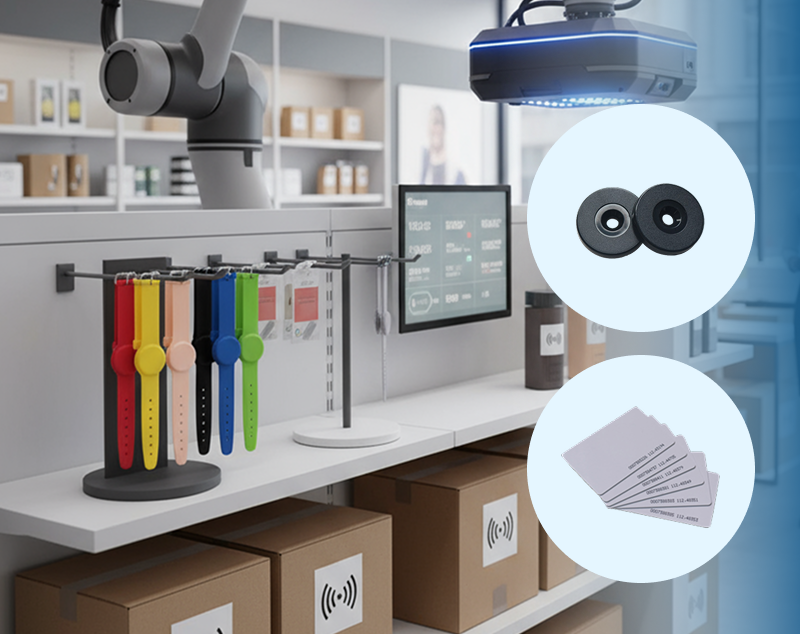
In today’s competitive business world, efficiency, security, and...

In a fast-paced commercial environment like the UAE, where high-value...
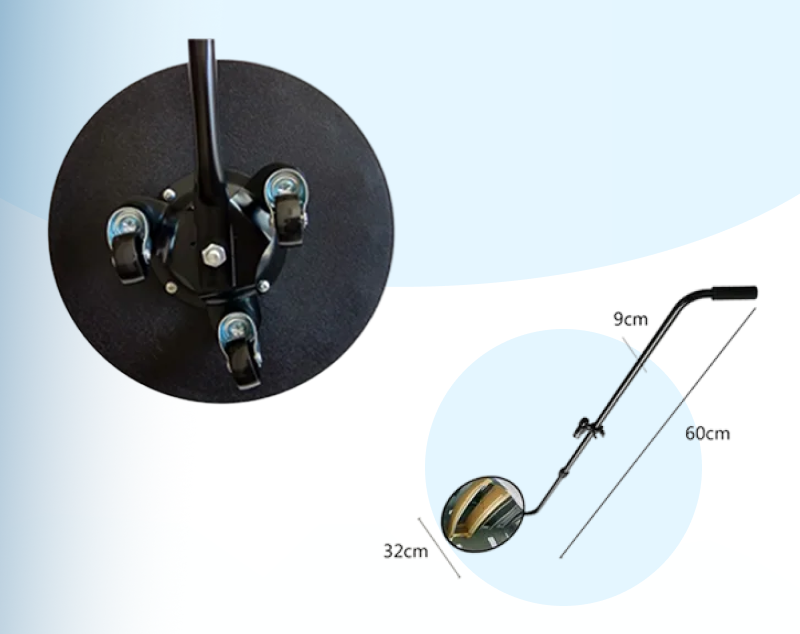
In an era where security threats are becoming more complex and...

Handling coins manually can be a tedious and time-consuming task —...
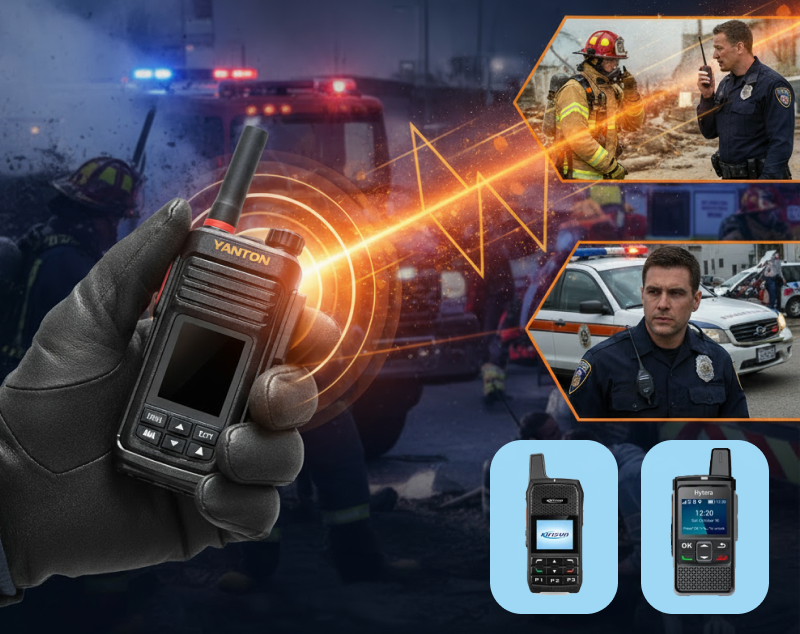
In emergency situations, clear and instant communication is critical....
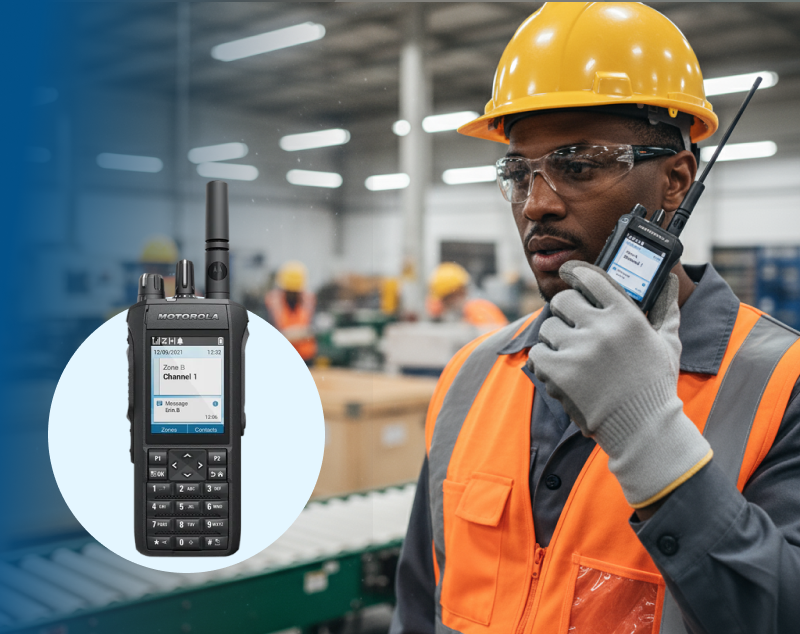
In today’s fast-paced work environments, effective communication is...
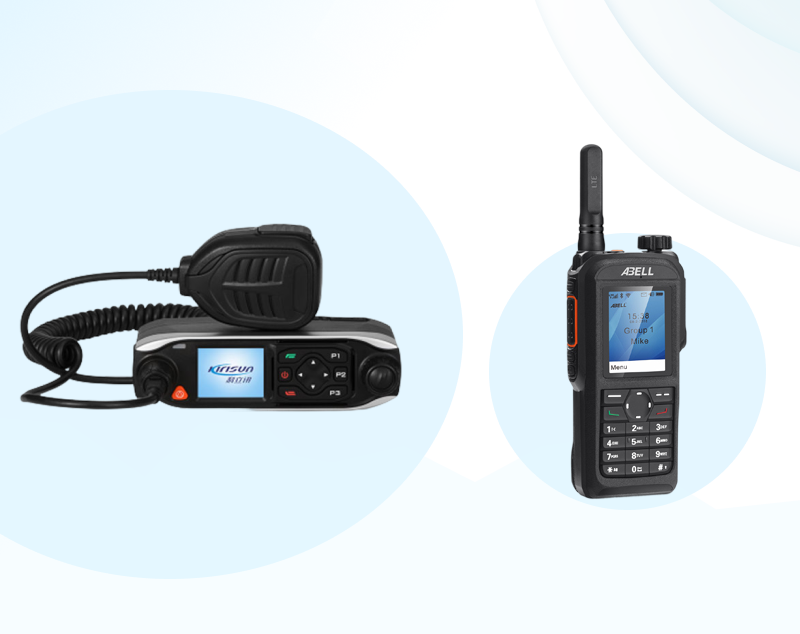
In today’s fast-paced digital world, businesses rely on...
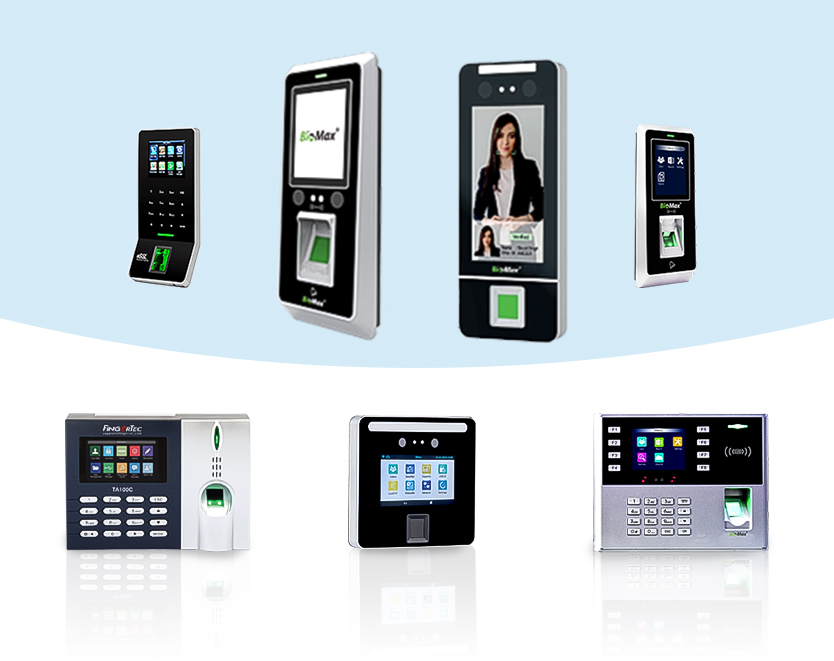
Managing employee attendance and time tracking is essential for every...

The introduction of banknote counters marked a pivotal moment in the...

In today’s world, where security concerns are growing rapidly,...

In today’s rapidly evolving business landscape, the safety and...

In today’s fast-paced world, staying connected is crucial,...

In today’s fast-paced business world, effective communication...
A sense of safety is one of the most basic human needs that goes for...
The construction industry is no stranger to occupational hazards,...
The keys have passed on the baton to computer-based access control...
Manage and regulate vehicles and pedestrians, keep your facilities...
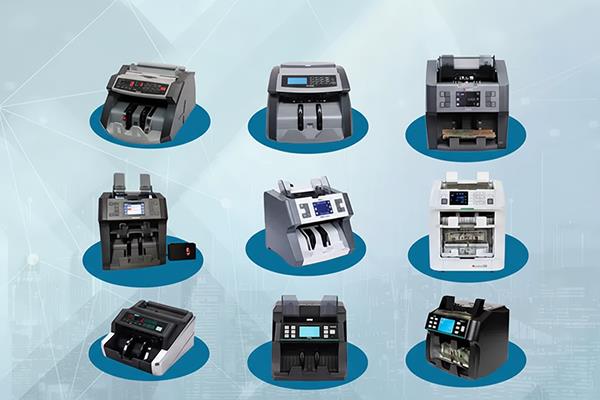
The banknote counter device is designed to count and sum up bank...
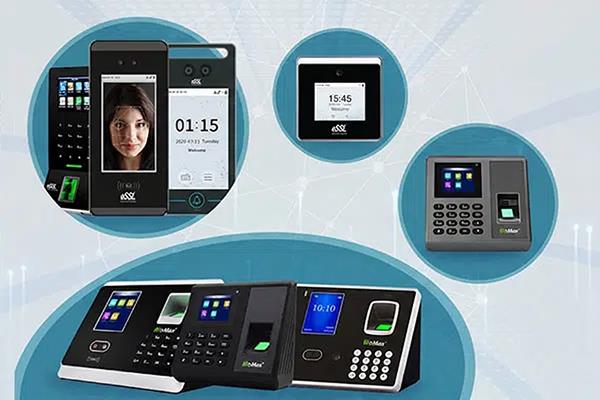
The time and access control system are very much required technology...
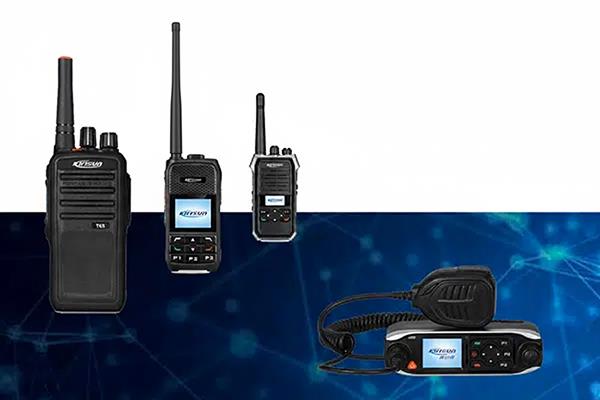
The Push-to-Talk over Cellular (POC) provides instant nationwide...
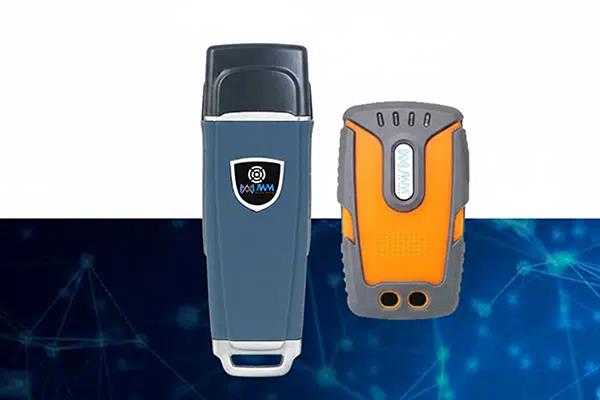
A Guard Tour System is a combination of computer software and...
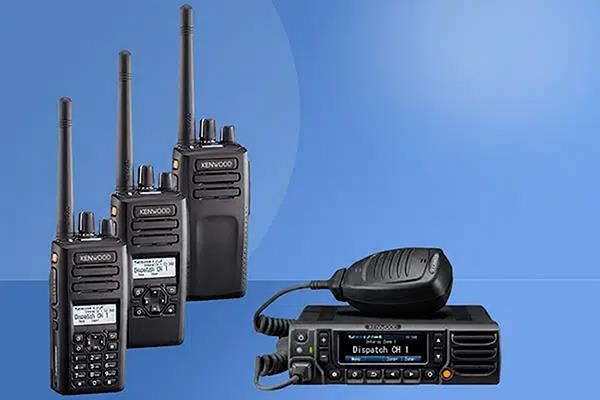
Two-Way Radios are an inconceivably mainstream piece of tech with...

Solutions

Technology

Clients