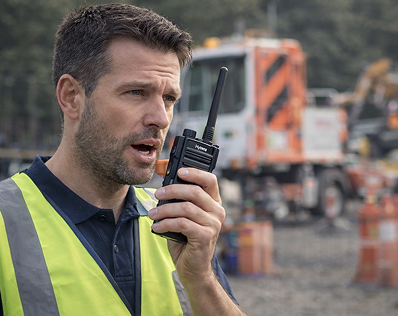
In an era dominated by smartphones and high-speed mobile data, it is easy to assume that mobile networks are the best solution for all forms of communication. However, in critical operations where reliability, speed, and control matter most, walkie-talkies continue to outperform mobile networks. From construction sites and industrial facilities to security teams and large-scale operations, two-way radios remain a trusted communication medium.
This is not about nostalgia or resistance to change. It is about practical performance in real-world conditions.
One of the strongest advantages of walkie-talkies is instant push-to-talk communication. There is no dialing, ringing, or call connection delay. With a single button press, a message reaches the entire team or a specific group immediately.
Mobile networks depend on signal availability, network load, and carrier infrastructure. In high-density areas, underground locations, remote sites, or during peak usage hours, mobile calls can be delayed or dropped. Walkie-talkies operate independently of public networks, making them consistently reliable when seconds matter.
Critical operations often take place in environments where mobile phones struggle to perform. These include construction zones with steel structures, factories with heavy machinery, basements, tunnels, and remote outdoor locations.
Walkie-talkies are designed specifically for such conditions. With dedicated frequencies and optimized antennas, they provide stable communication where mobile signals are weak or unavailable. This reliability is essential for coordinating tasks, ensuring safety, and responding quickly to on-site changes.
Mobile phones are built primarily for one-to-one communication. Group calls and messaging apps exist, but they rely heavily on data connectivity and can introduce delays or missed messages.
Walkie-talkies enable one-to-many communication by default. A single transmission can reach an entire team instantly. This is especially valuable in operations where coordination across multiple personnel is required at the same time, such as site management, security patrols, logistics coordination, and facility operations.
Smartphones are multifunctional devices. Notifications, messages, and apps can distract users during critical tasks. In contrast, walkie-talkies are purpose-built tools focused solely on communication.
This simplicity reduces distractions and ensures that important messages are not missed. Teams can stay focused on their tasks while maintaining constant situational awareness through clear and direct voice communication.
Equipping a large team with mobile phones involves recurring costs such as data plans, call charges, and device upgrades. Walkie-talkies typically involve a one-time investment with minimal ongoing costs.
For organizations managing large workforces or temporary teams, this cost structure is far more practical. It allows scalable communication without increasing operational expenses.
Critical operations demand equipment that can withstand harsh conditions. Walkie-talkies are built to be rugged, often featuring dust resistance, water resistance, and shock protection.
Mobile phones, even rugged models, are generally more fragile and costly to repair or replace. Walkie-talkies are designed to remain operational in demanding environments, ensuring uninterrupted communication throughout the workday.
Mobile networks can be affected by outages, maintenance issues, or congestion during major events. In such situations, communication can break down completely.
Walkie-talkies continue to function regardless of public network status. This independence makes them a dependable choice for operations that cannot afford communication failure under any circumstances.
While mobile technology continues to evolve, it has not replaced the need for dedicated communication tools in critical operations. Walkie-talkies deliver speed, reliability, clarity, and control in environments where mobile networks fall short.
For organizations that prioritize operational efficiency and uninterrupted coordination, walkie-talkies remain not just relevant, but essential.


Managing keys across a commercial facility can become difficult when...
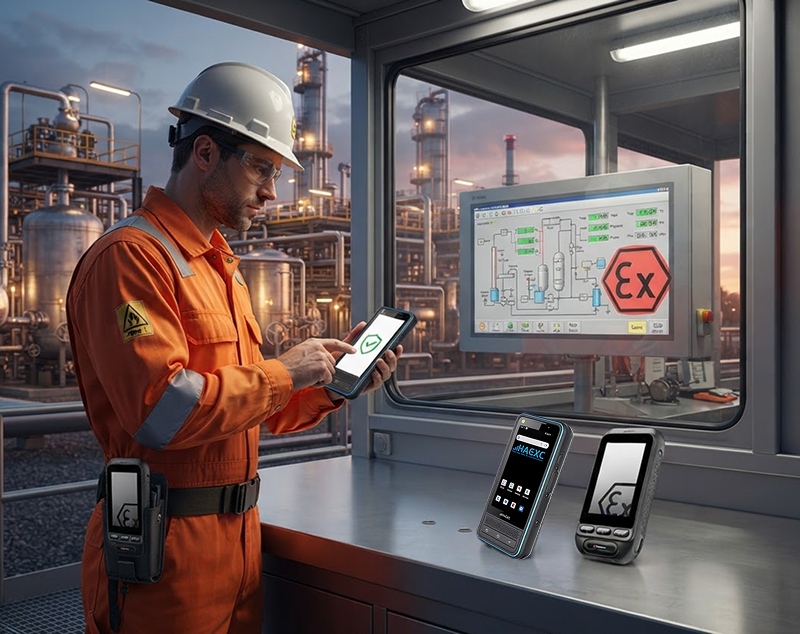
Smartphones have become an important part of workplace communication....
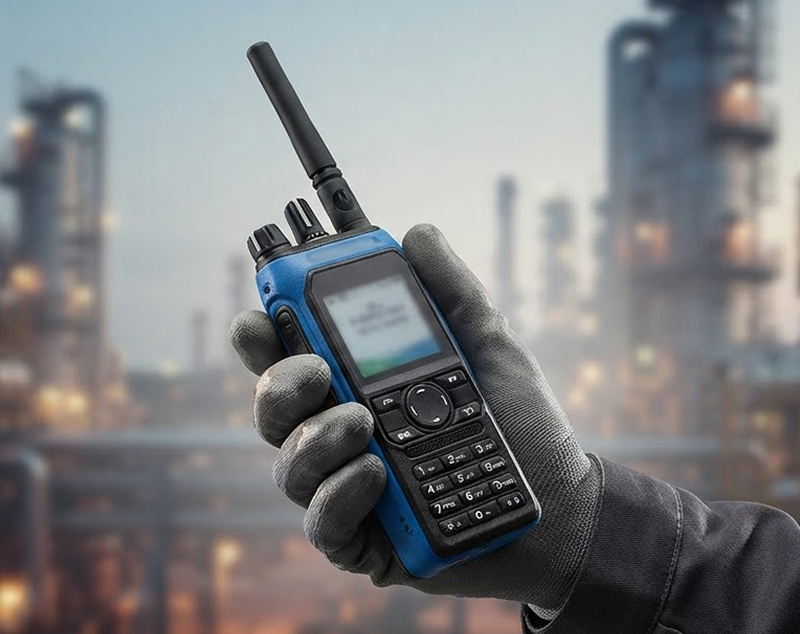
Choosing a two-way radio for a hazardous work site is different from...

Maintaining a safe and productive workplace is a priority for every...
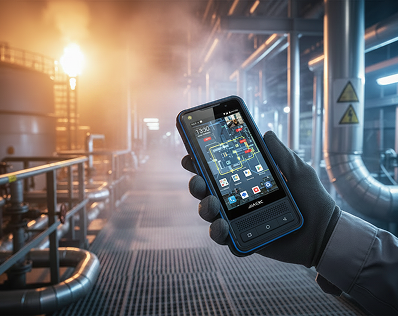
In industries where a single spark can be catastrophic, the tools...
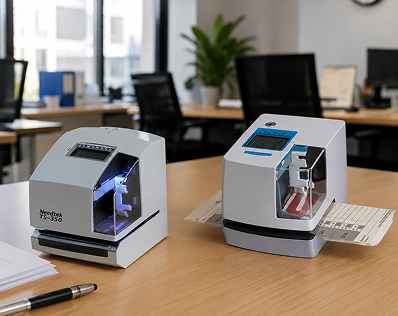
In today’s fast-paced business environment, keeping accurate...
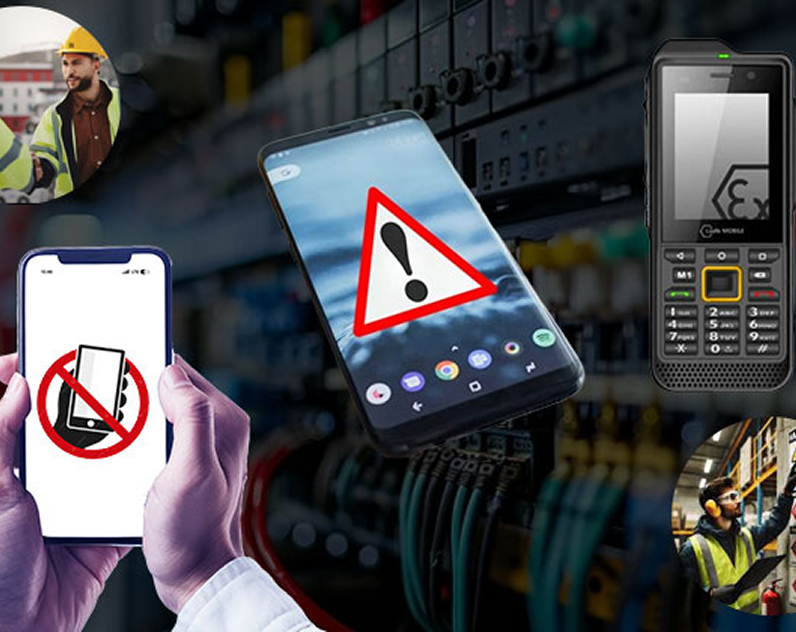
In industries where safety is critical, communication devices must...
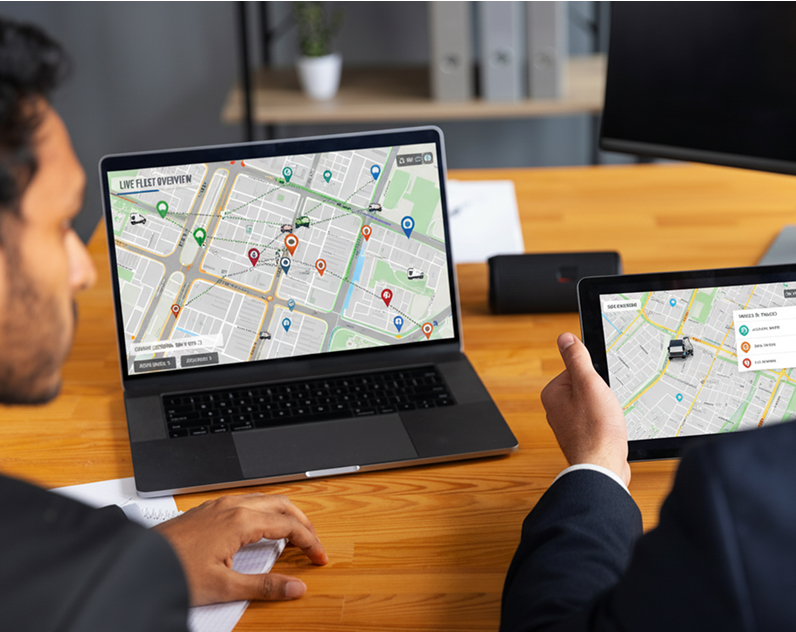
Managing a fleet without real-time visibility is like driving...

Door security is no longer limited to traditional keys and metal...
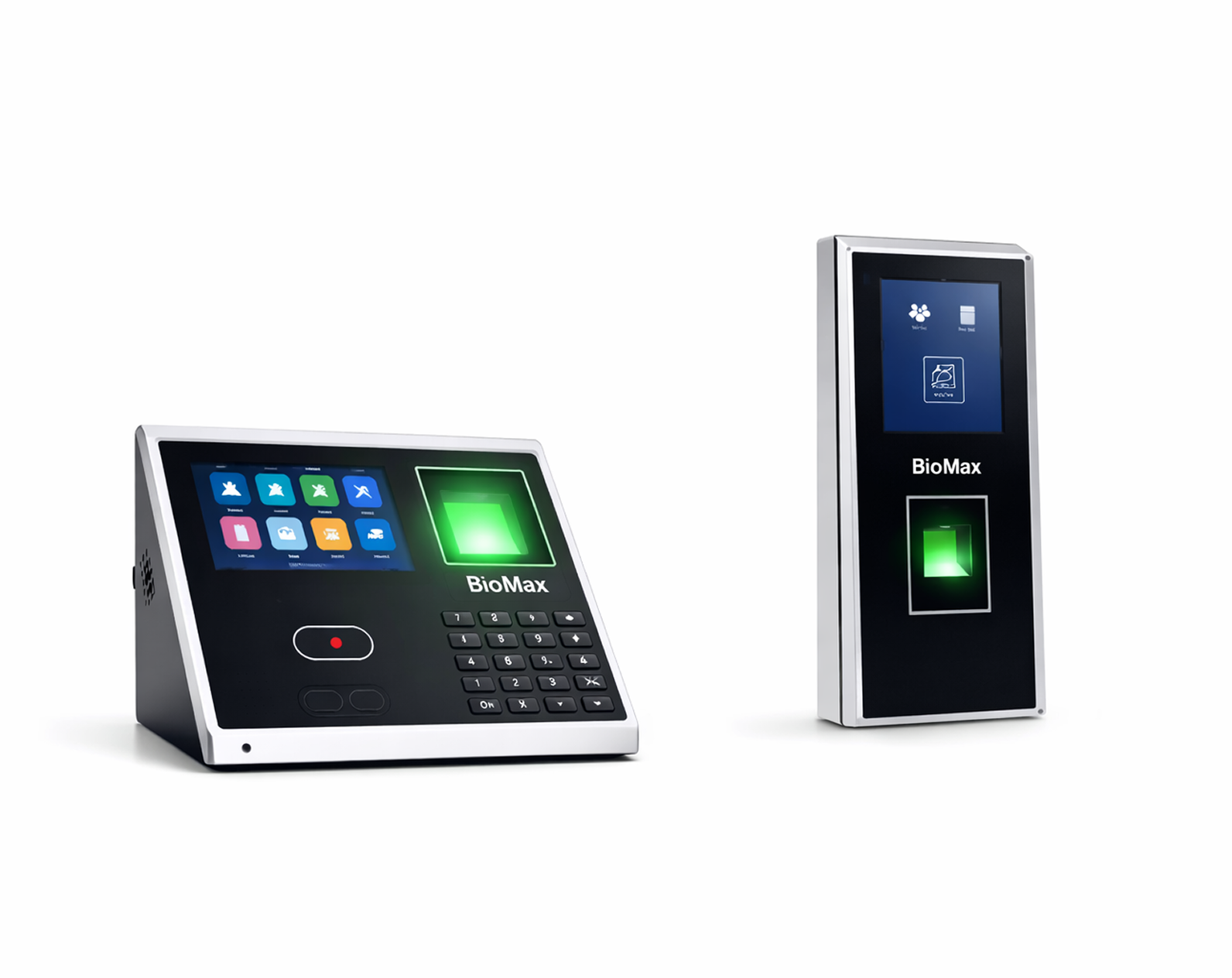
Managing employee attendance accurately is one of the biggest...
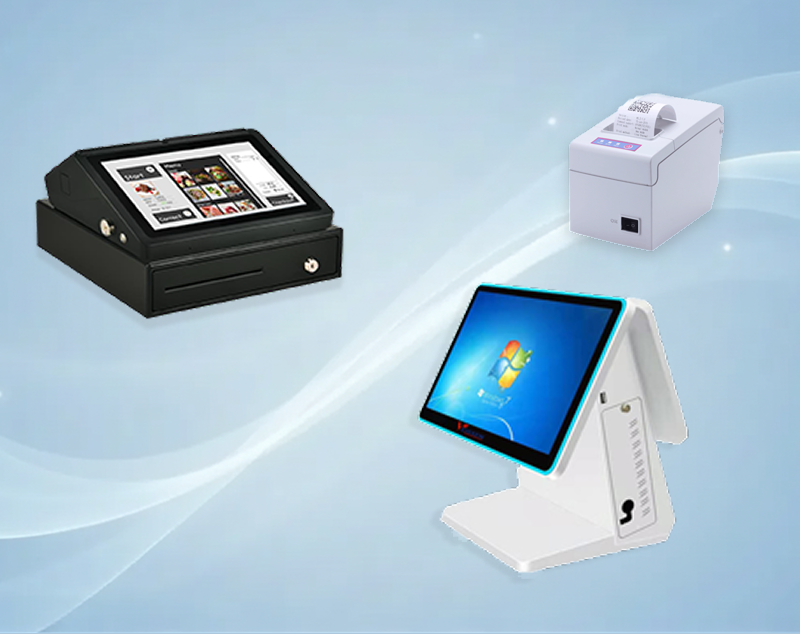
A POS (Point of Sale) machine is more than a simple billing device....
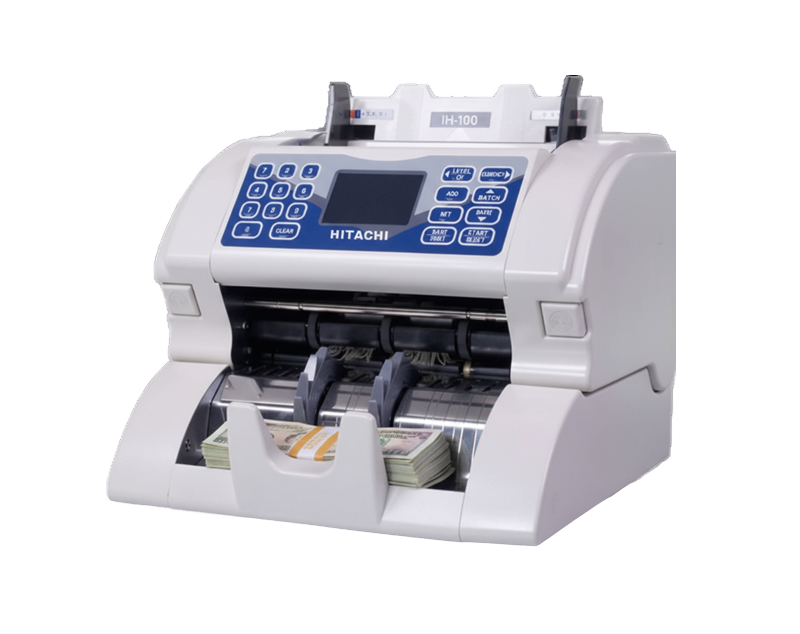
The Hitachi IH100 is an advanced, intelligent single-pocket currency...
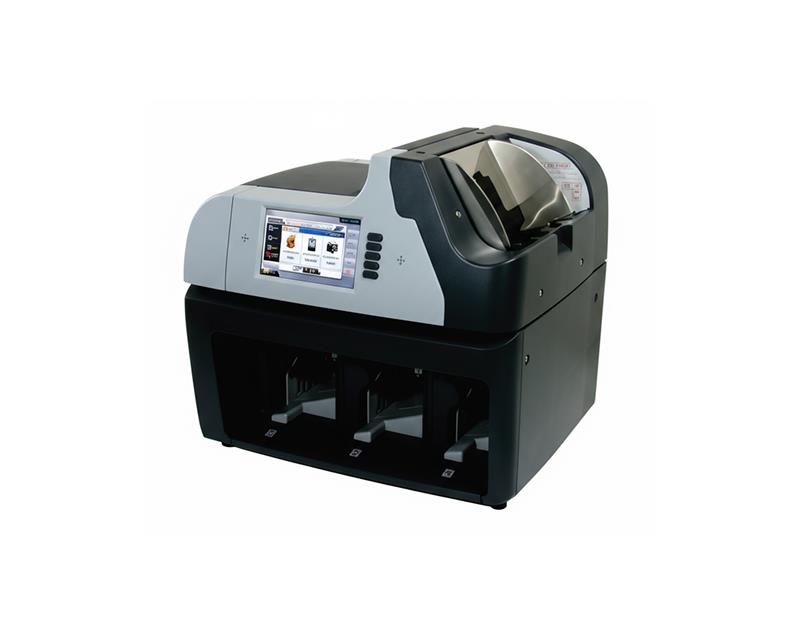
Hitachi ST-300 is a smart, practical multi-currency fitness sorter...
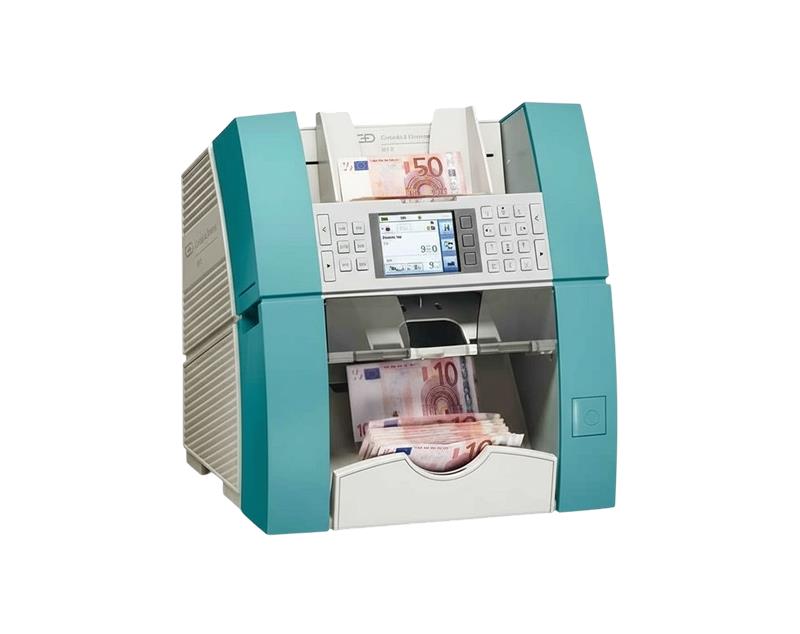
Flexible, powerful, and robust: the BPS C1 offers everything a bank...
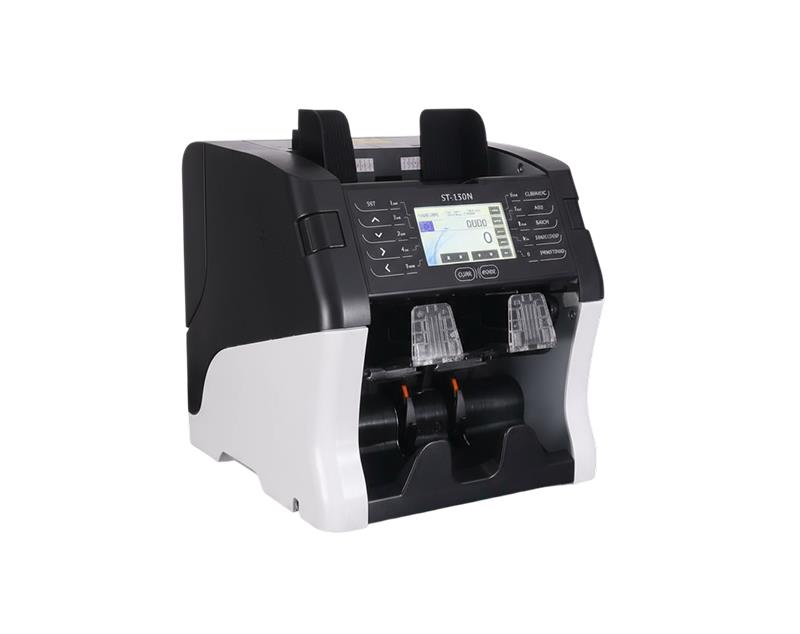
Currency Fitness Sorter, Authenticator with 2-pocket New Paradigm of...
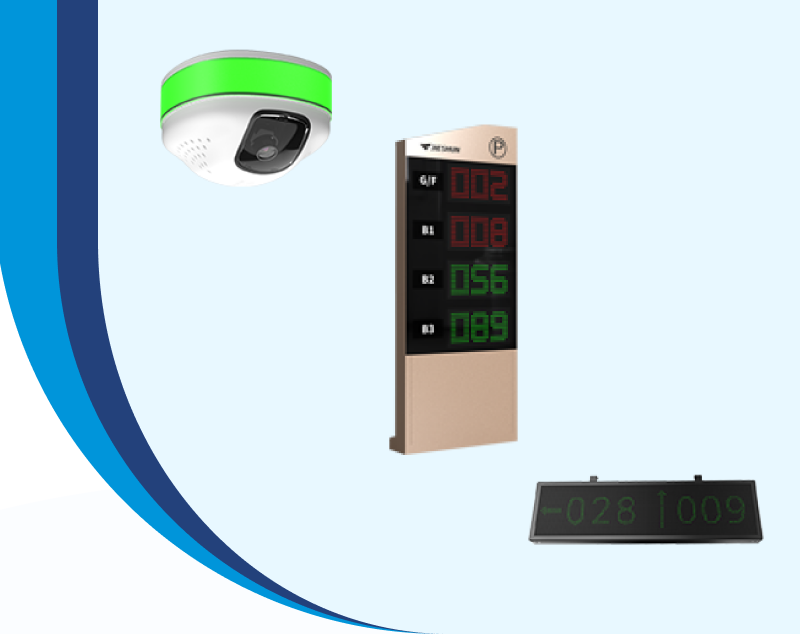
In today’s fast-moving world, customers expect convenience, speed,...
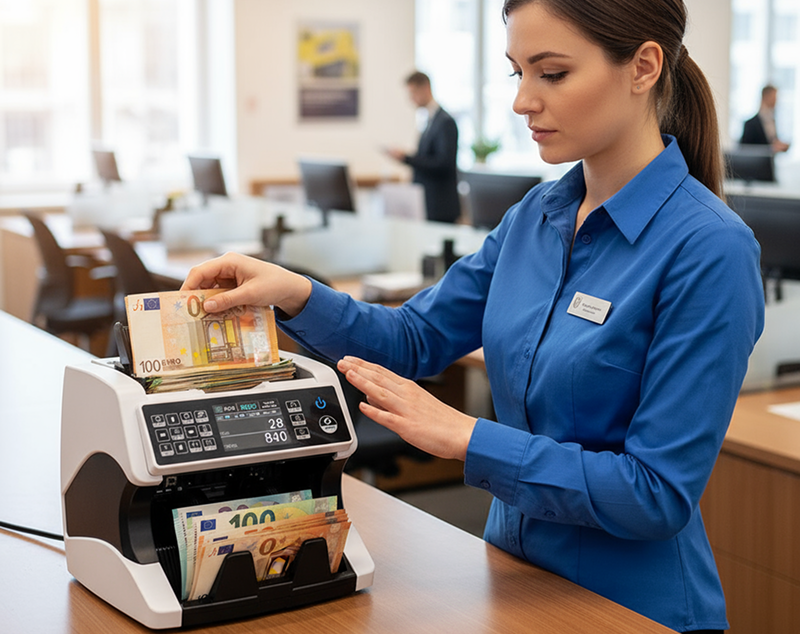
In today’s fast-paced business world, handling cash accurately and...
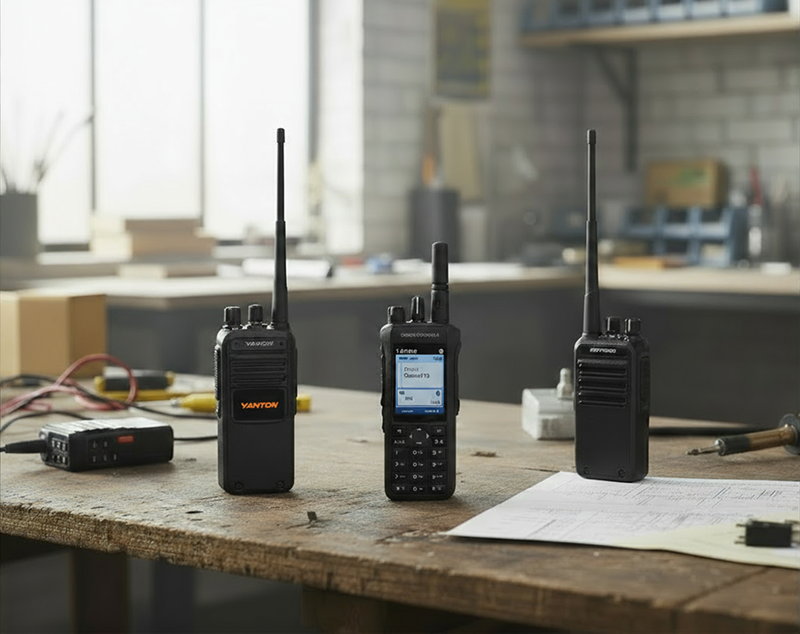
Clear and reliable communication is the backbone of any successful...
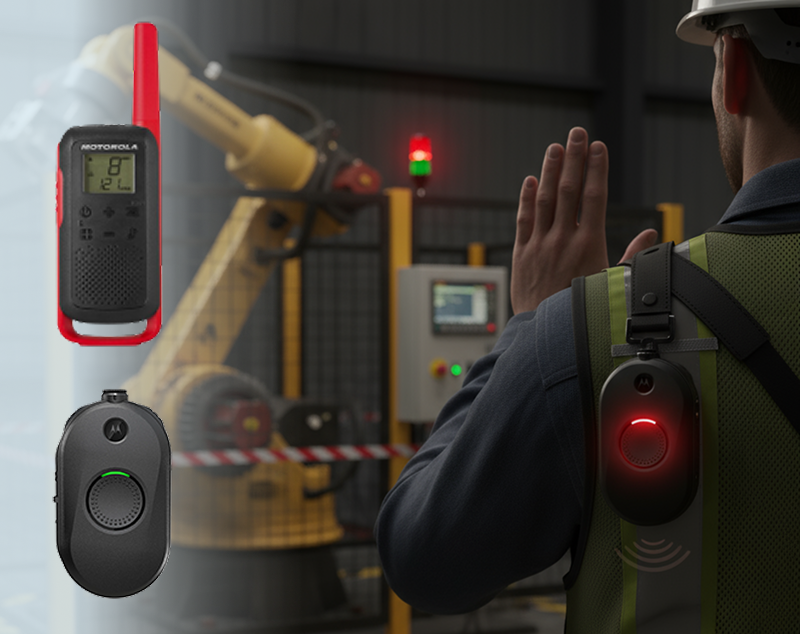
In high-risk industries such as construction, oil & gas, mining,...
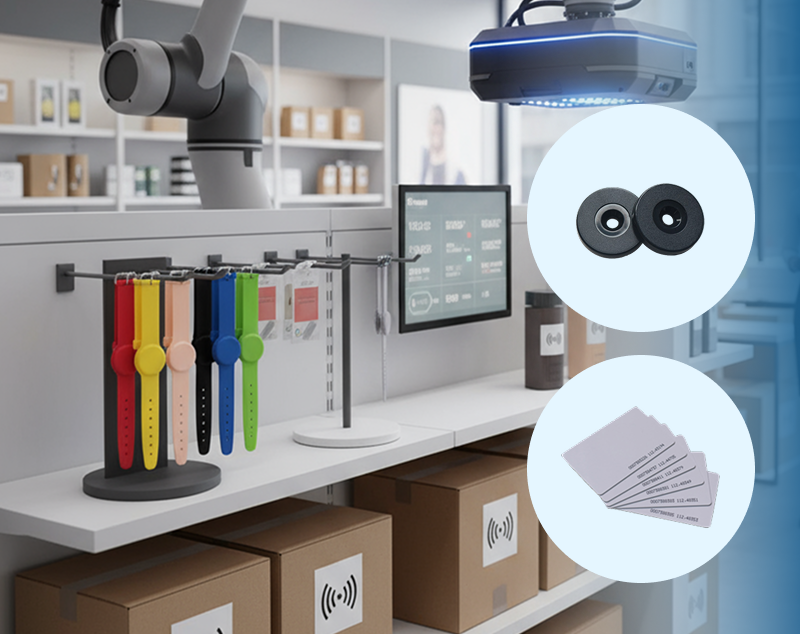
In today’s competitive business world, efficiency, security, and...
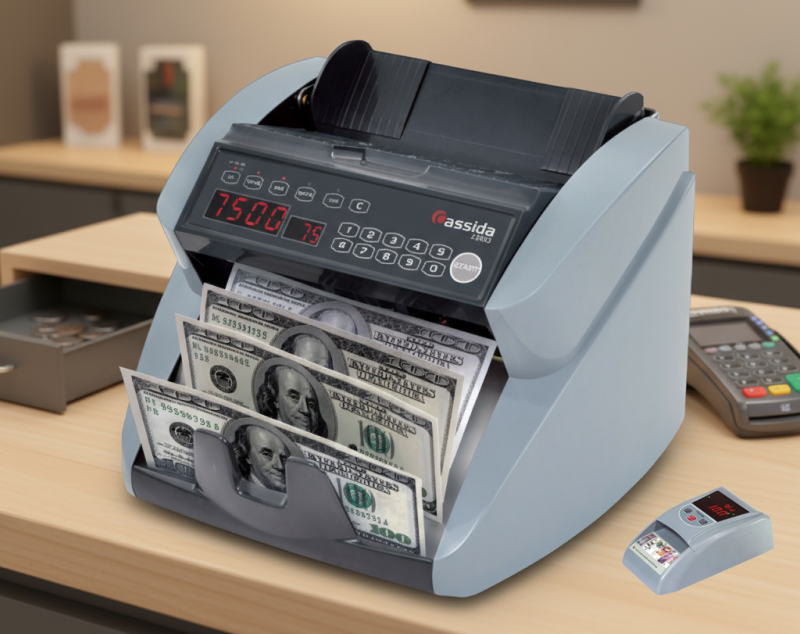
In a fast-paced commercial environment like the UAE, where high-value...
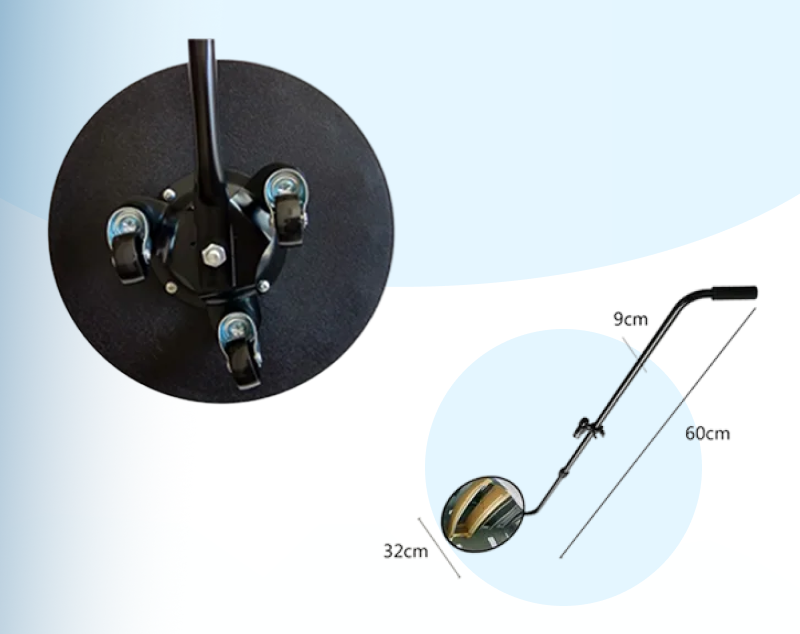
In an era where security threats are becoming more complex and...

Handling coins manually can be a tedious and time-consuming task —...
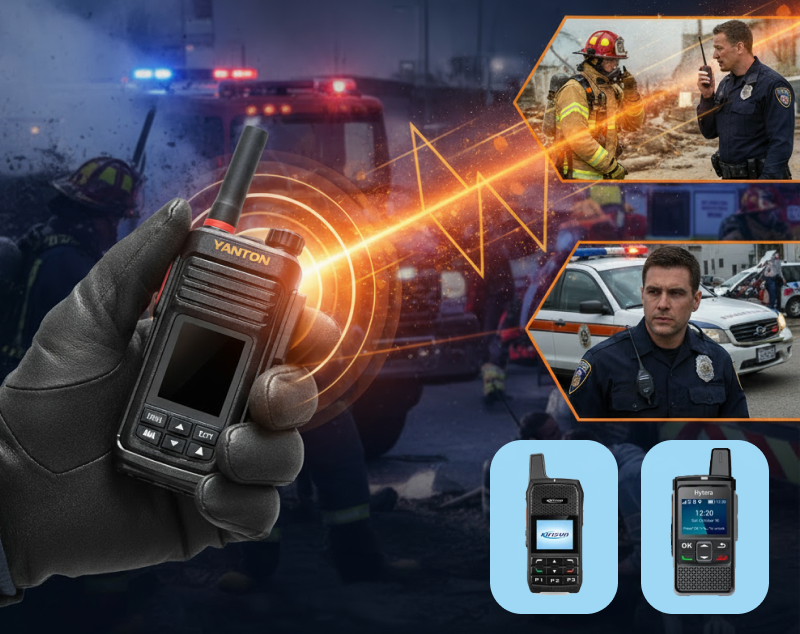
In emergency situations, clear and instant communication is critical....
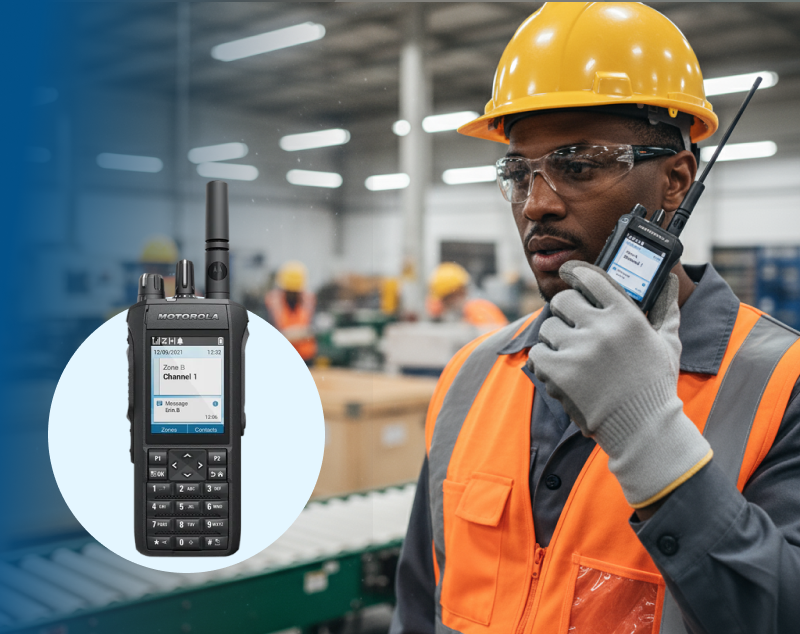
In today’s fast-paced work environments, effective communication is...
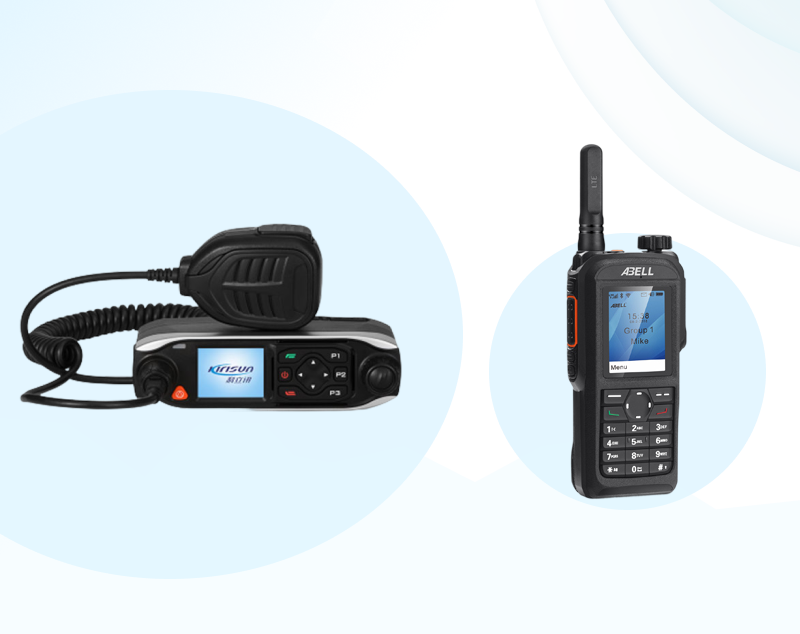
In today’s fast-paced digital world, businesses rely on...
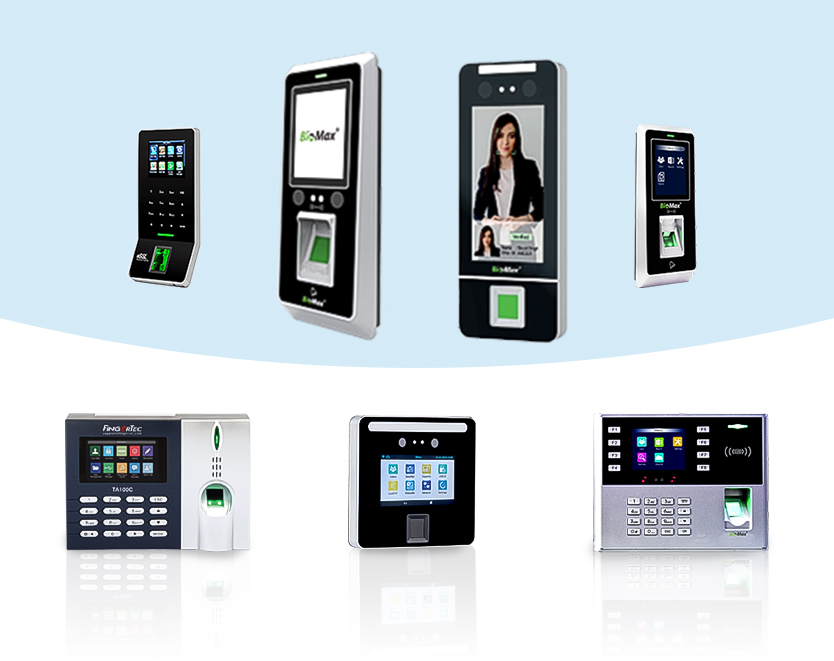
Managing employee attendance and time tracking is essential for every...

The introduction of banknote counters marked a pivotal moment in the...

In today’s world, where security concerns are growing rapidly,...
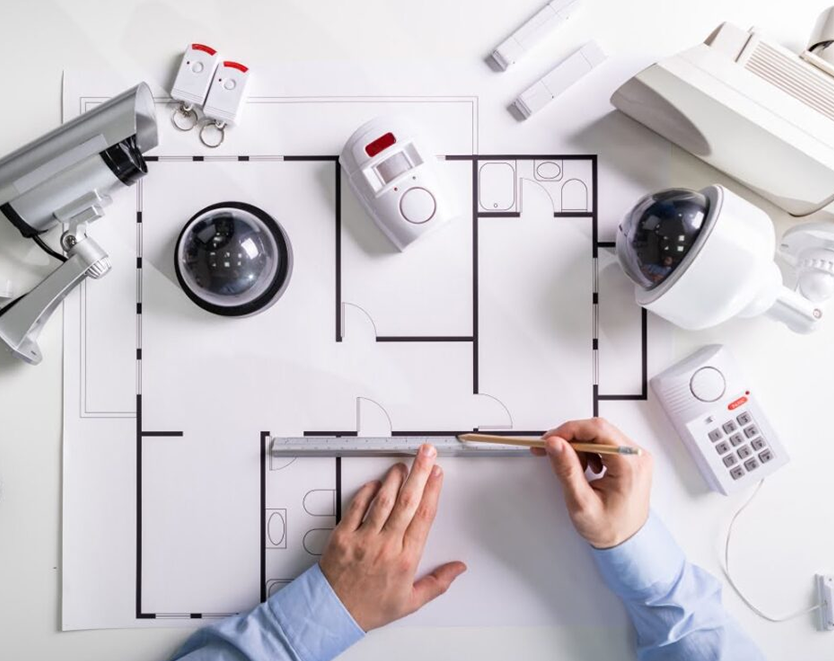
In today’s rapidly evolving business landscape, the safety and...

In today’s fast-paced world, staying connected is crucial,...

In today’s fast-paced business world, effective communication...
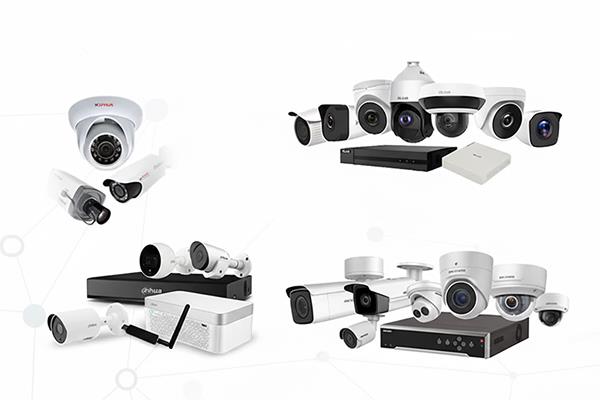
A sense of safety is one of the most basic human needs that goes for...
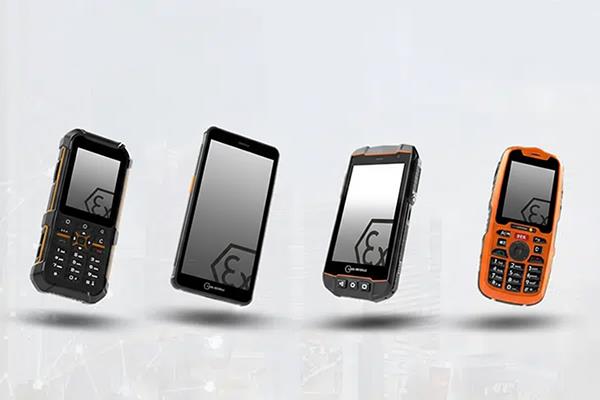
The construction industry is no stranger to occupational hazards,...
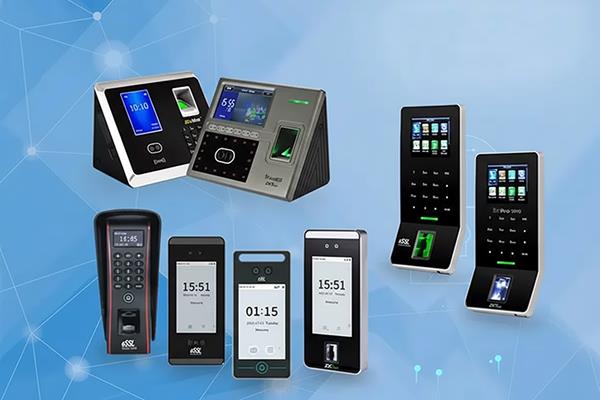
The keys have passed on the baton to computer-based access control...
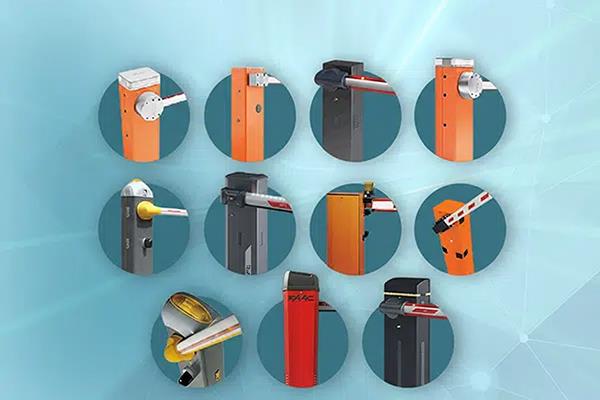
Manage and regulate vehicles and pedestrians, keep your facilities...
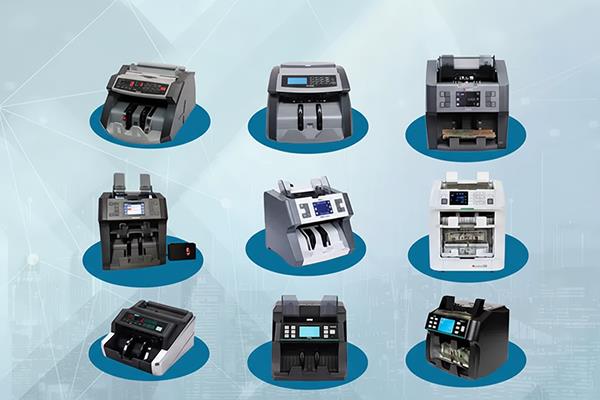
The banknote counter device is designed to count and sum up bank...
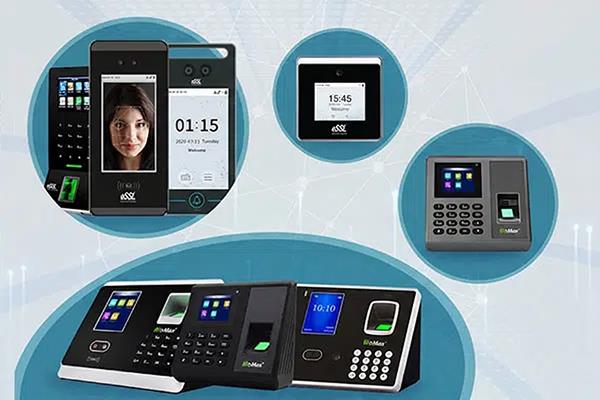
The time and access control system are very much required technology...
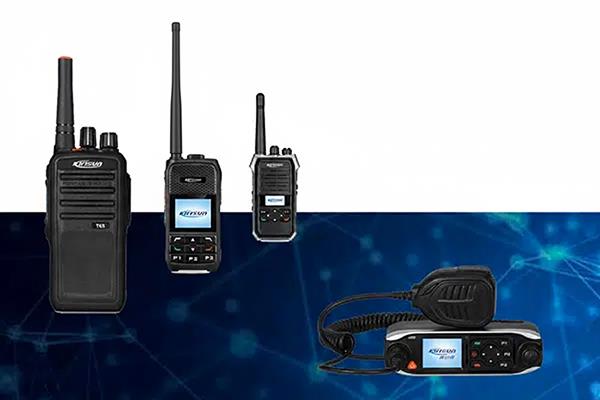
The Push-to-Talk over Cellular (POC) provides instant nationwide...
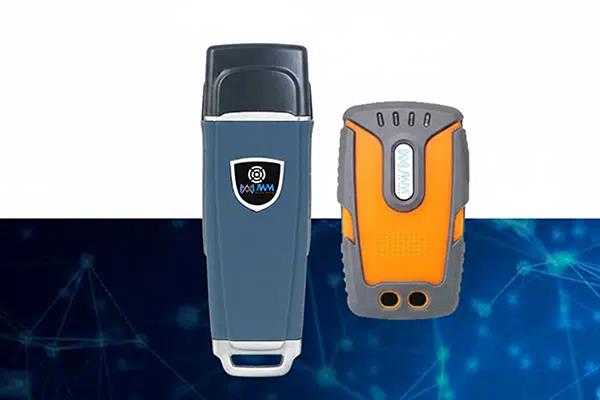
A Guard Tour System is a combination of computer software and...
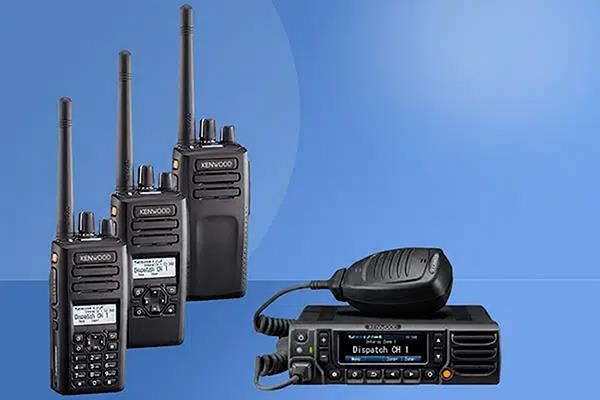
Two-Way Radios are an inconceivably mainstream piece of tech with...

Solutions

Technology

Clients